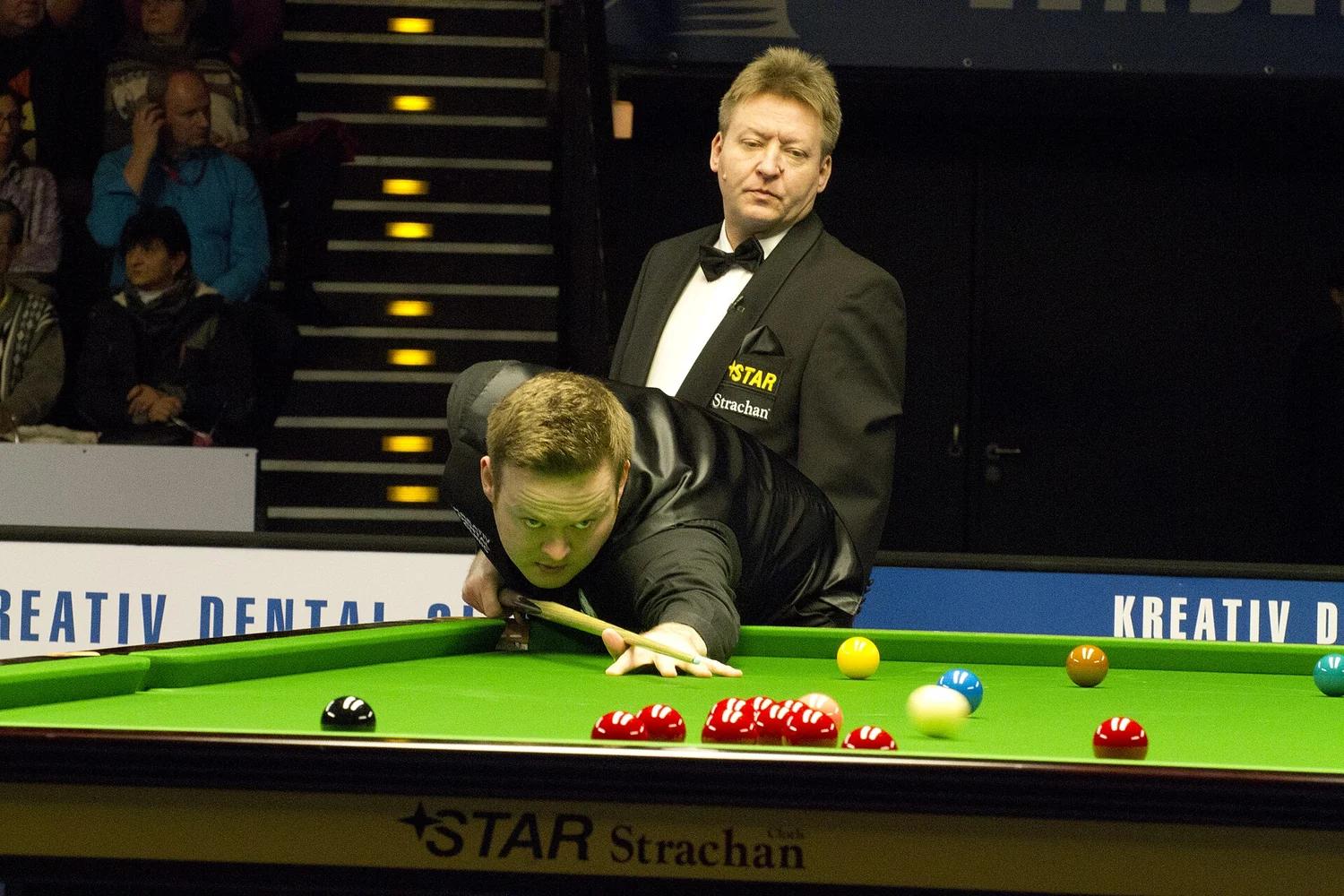
What Is a Century Break in Snooker? Scoring and a Realistic Practice Path
A century means at least 100 points in one visit, not a frame score of 100. Understand the arithmetic and build useful practice goals without chasing a number too early.

Rules you can settle. Practice you can use. Ideas for a better-run club. Explore our guides for players, fans and club owners.
A century means at least 100 points in one visit, not a frame score of 100. Understand the arithmetic and build useful practice goals without chasing a number too early.
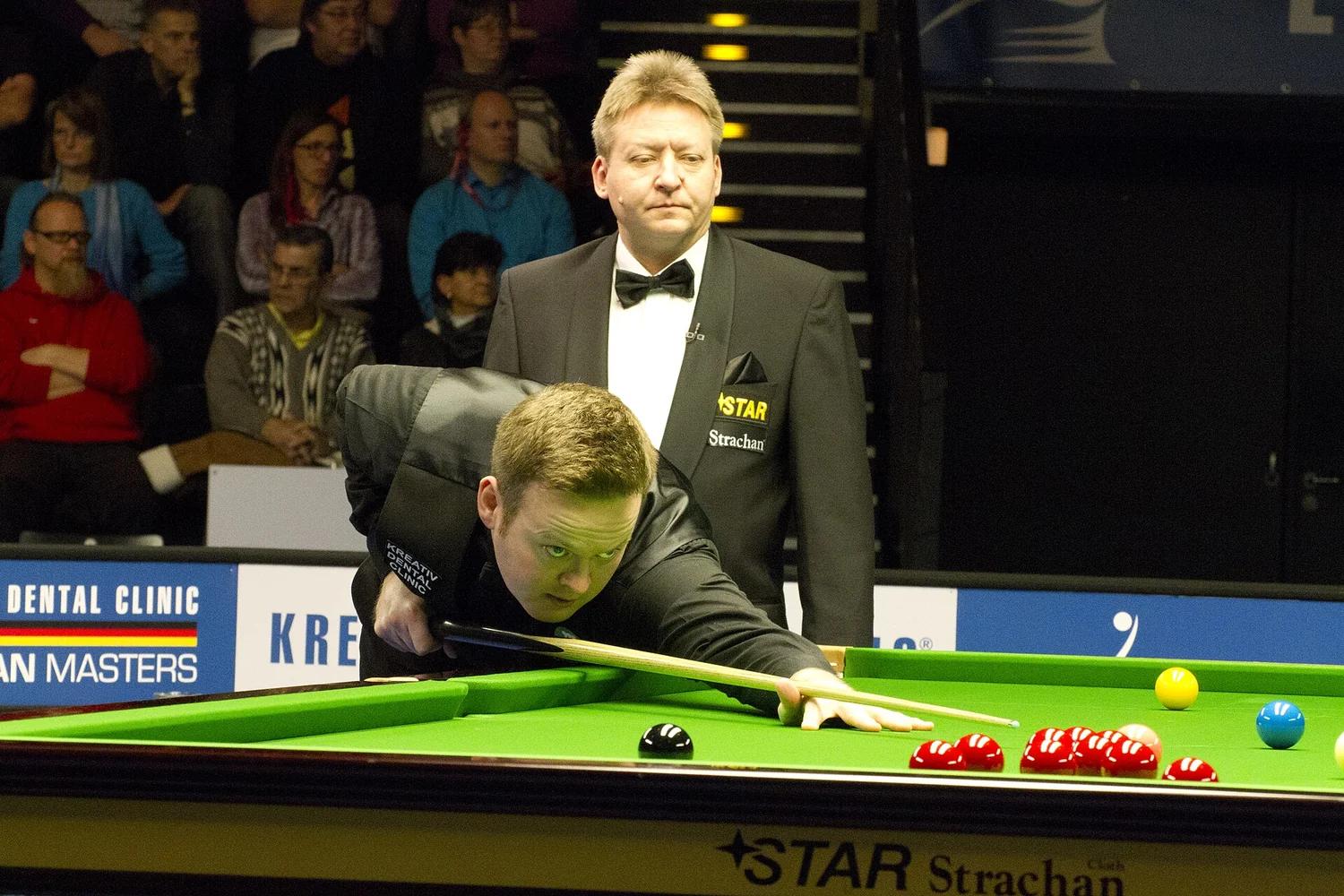
Separate aiming from delivery, build a repeatable preparation routine and use simple observations to find late grip changes instead of rebuilding everything at once.
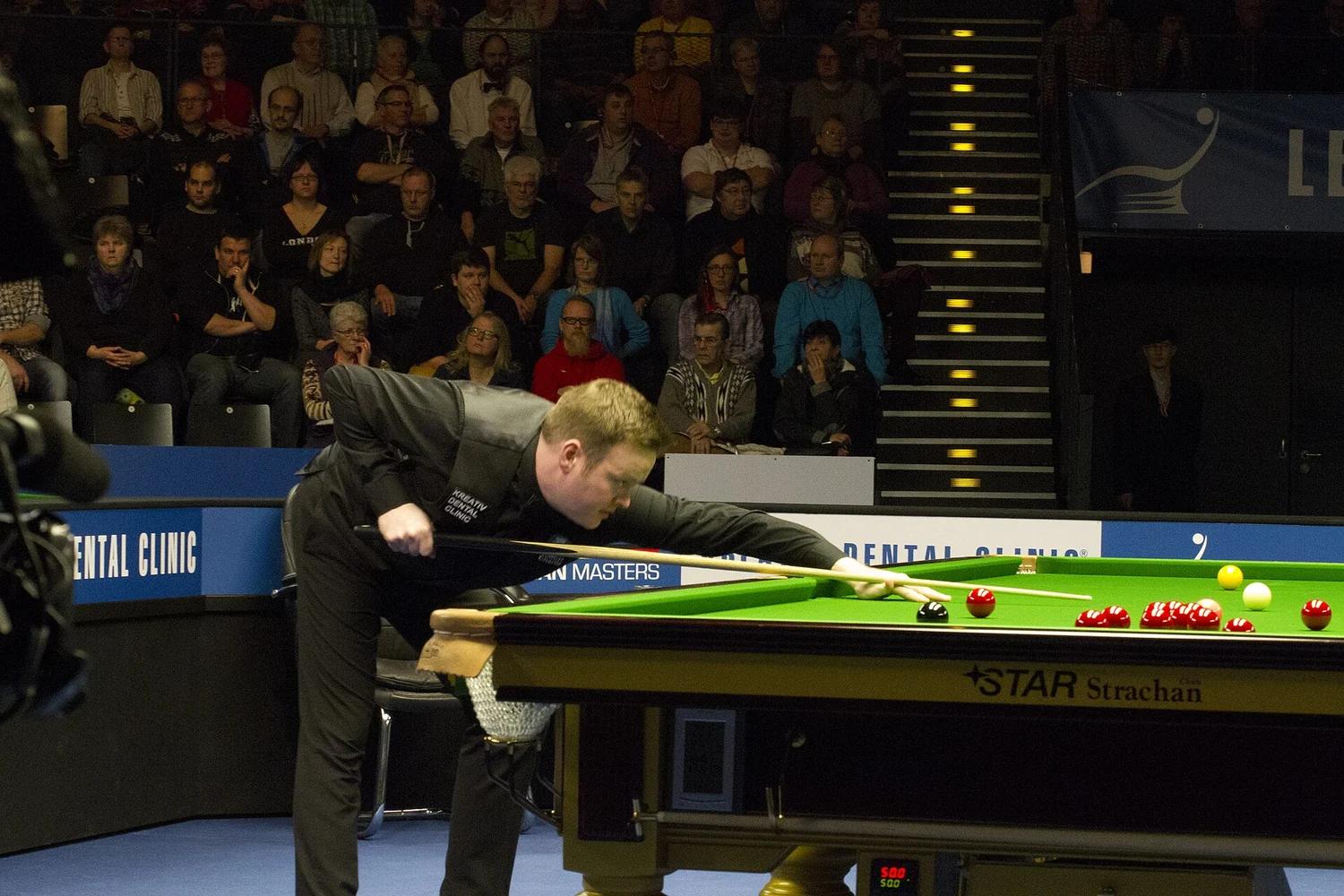
Side spin changes more than the rebound angle. Build a centre-ball baseline, then test small changes without assuming every table follows one aiming formula.
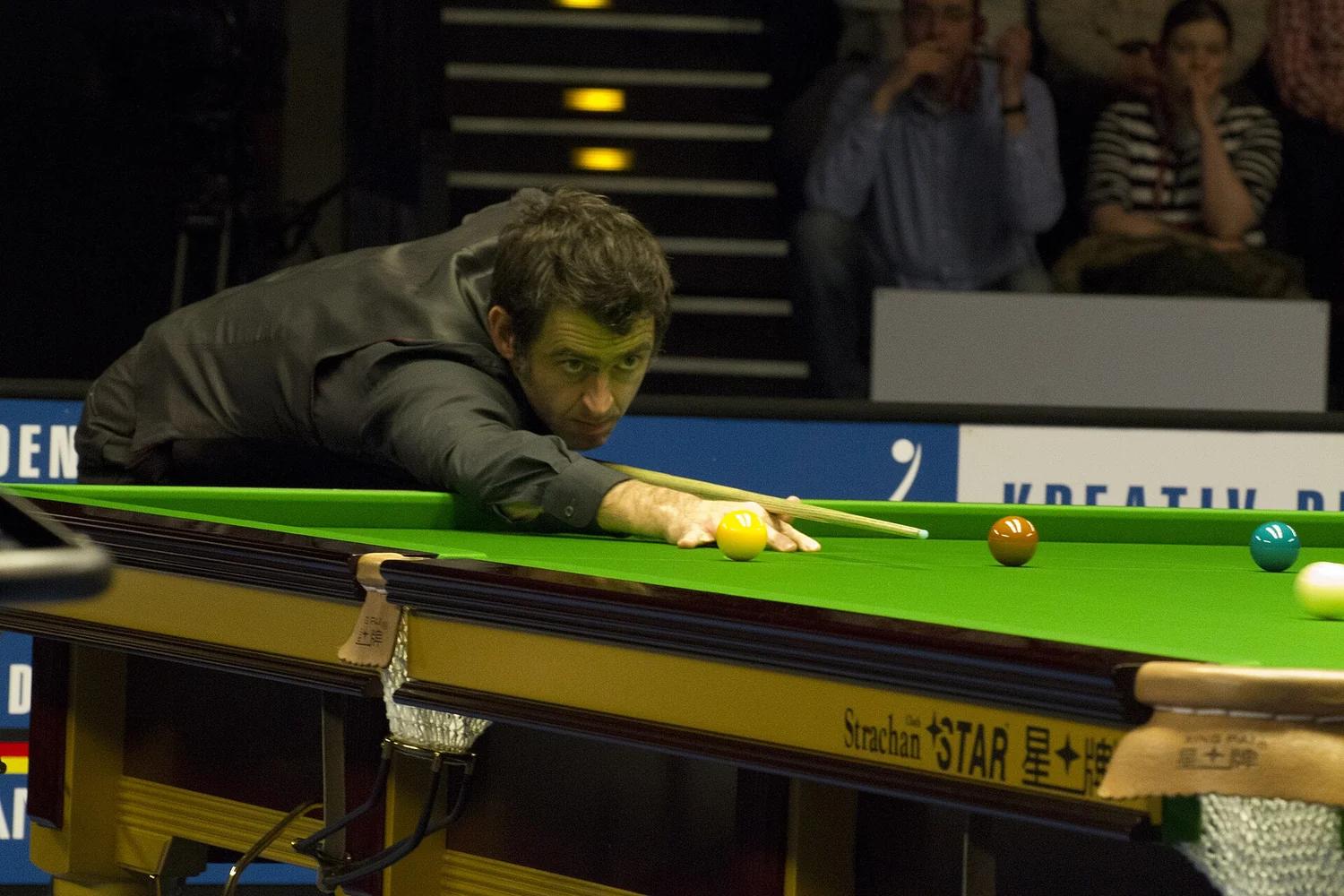
Backspin must survive the journey to the object ball. Diagnose tip height, distance, pace and delivery with a short draw-shot test instead of simply hitting harder.
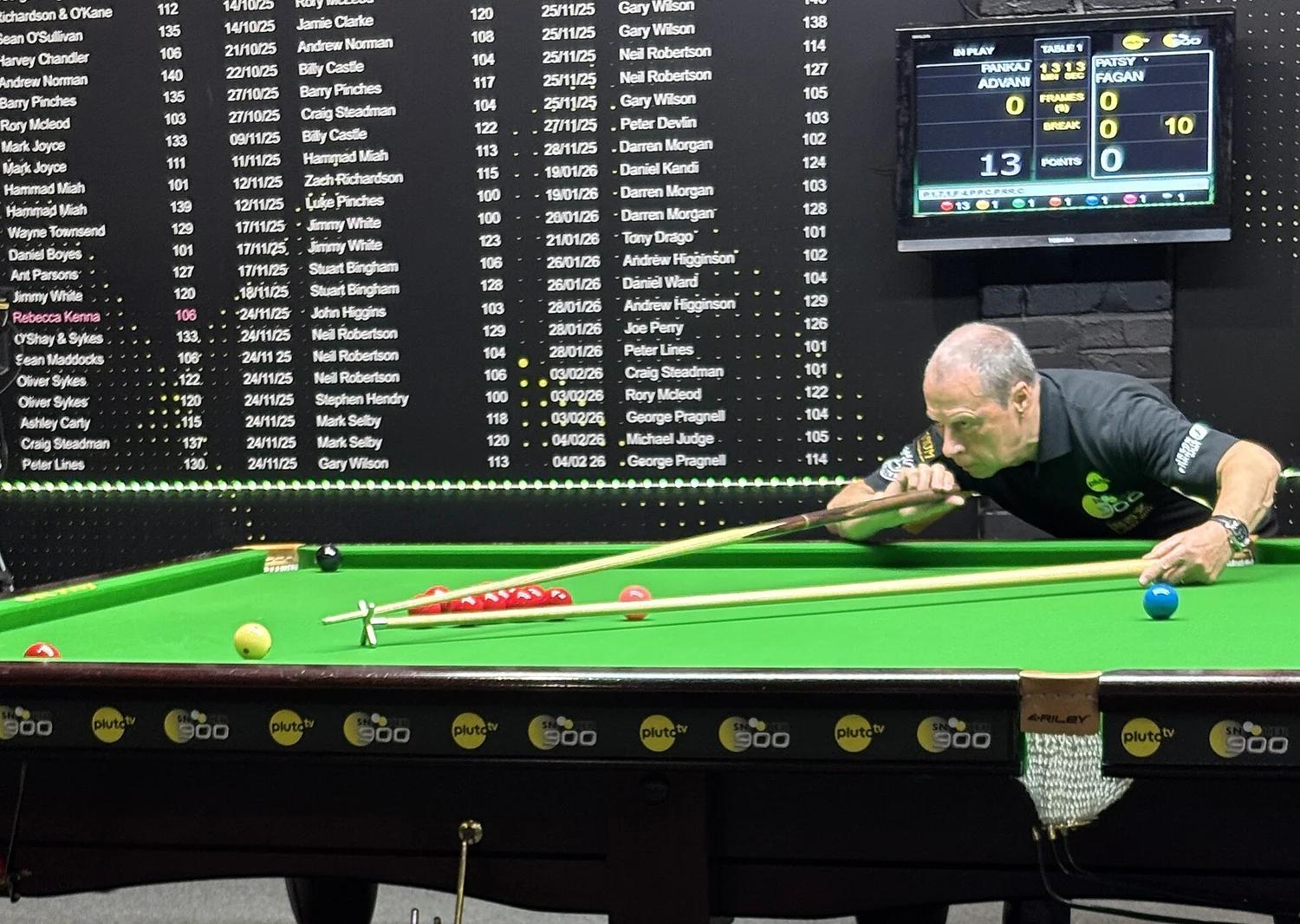
Choose the right mechanical support, set it down without disturbing balls and build a repeatable rest action before a long reach costs you a frame.
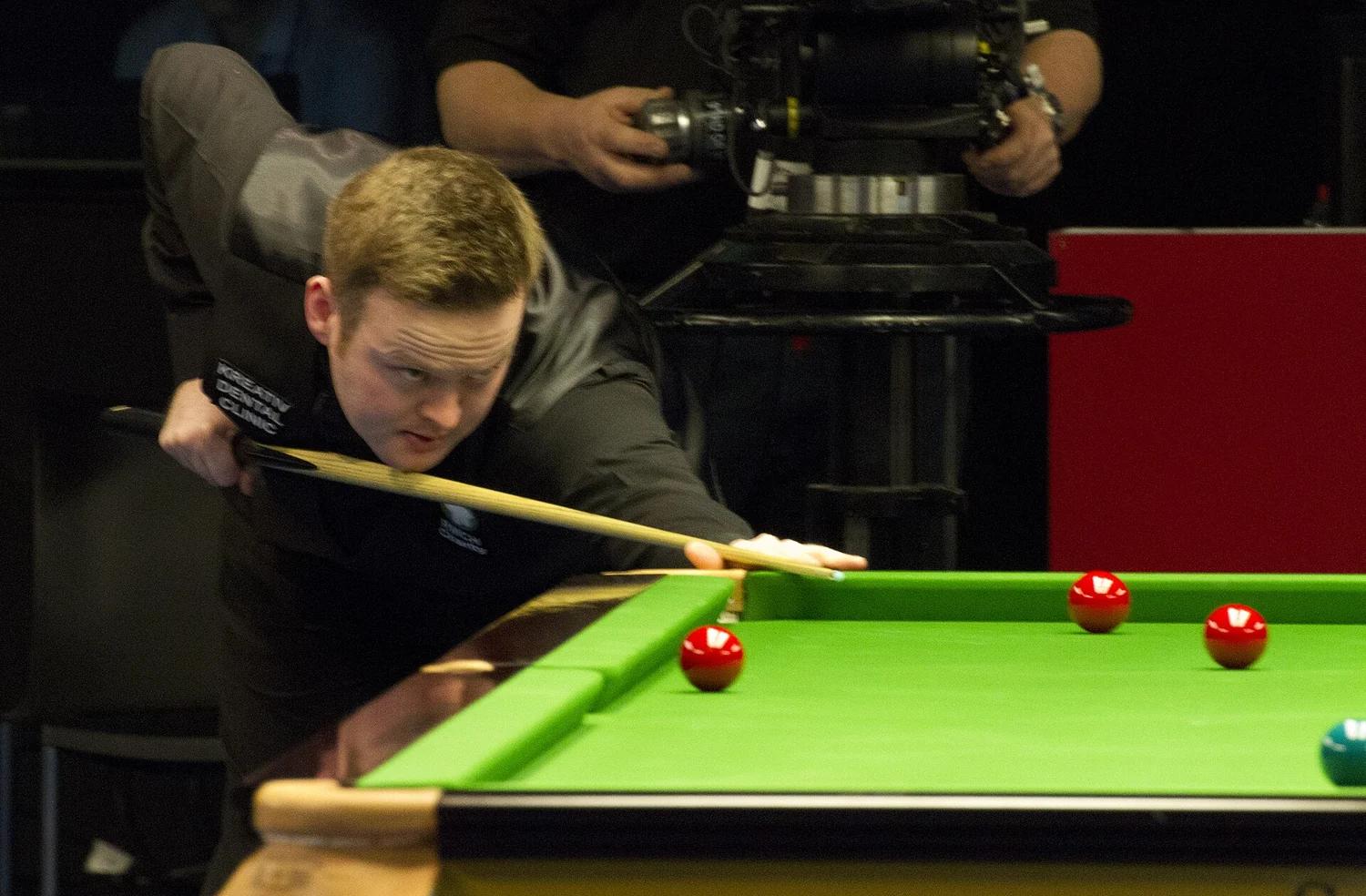
Learn the difference between a plant and a cannon, check the legal first contact and practise combinations without forgetting the cue ball’s next position.
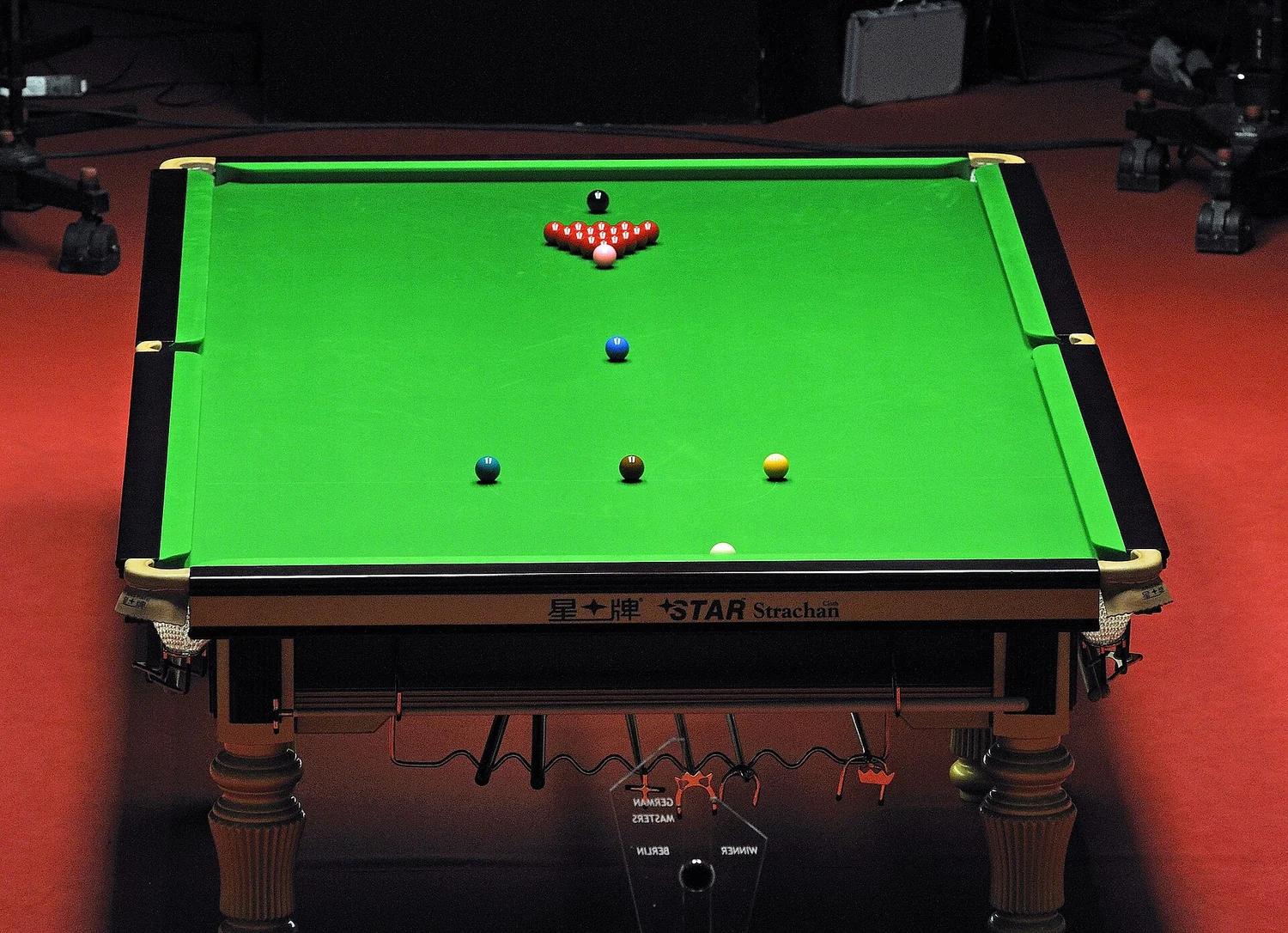
Learn where to place the white, what makes a break-off legal, and how to practise a controlled opening without treating it like a pool break.
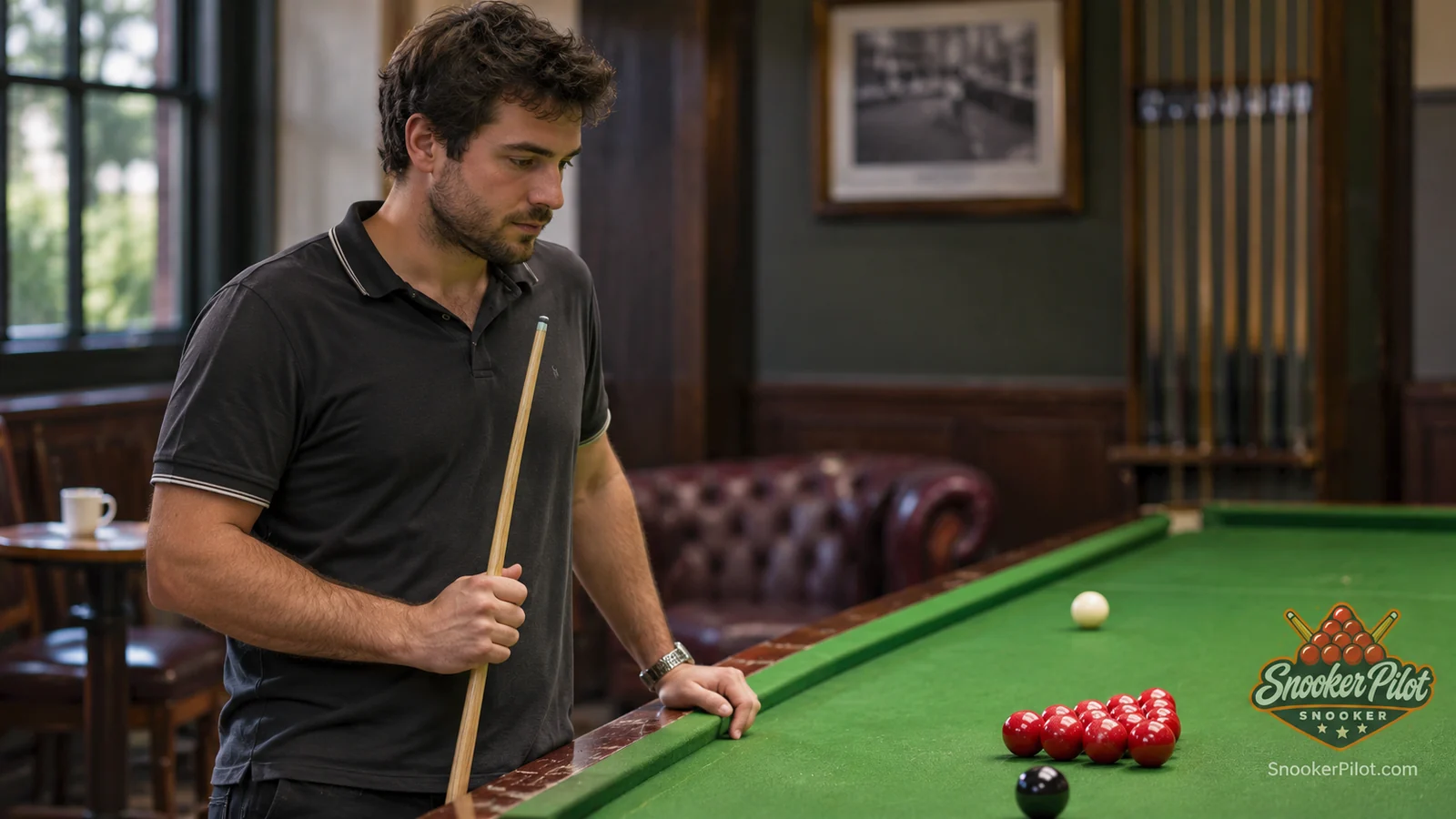
Use a repeatable pre-shot routine, realistic shot choices and a short post-match review to make competitive snooker feel more manageable.
Learn to choose a useful defensive objective, control both balls and practise safety exchanges without confusing a snooker with automatic points.
Practise long snooker pots with a repeatable setup, measured speed and a plan for white after the object ball reaches the pocket.
Adapt the line-up drill to your level, connect reds and colours with purpose and measure the transition that ends your break.
Use a focused half-hour session with a warm-up, potting block, position exercise and short review that tells you what to practise next.
Plan a realistic route to thirty points, simplify your practice layout and learn to recover position instead of chasing difficult blacks.
Use a simple diagnostic routine to distinguish aiming mistakes, moving during the shot and poor decisions instead of rebuilding your technique after every miss.
Understand how cue-ball contact, speed and angle affect position, then practise follow, stun and screw without changing every variable at once.
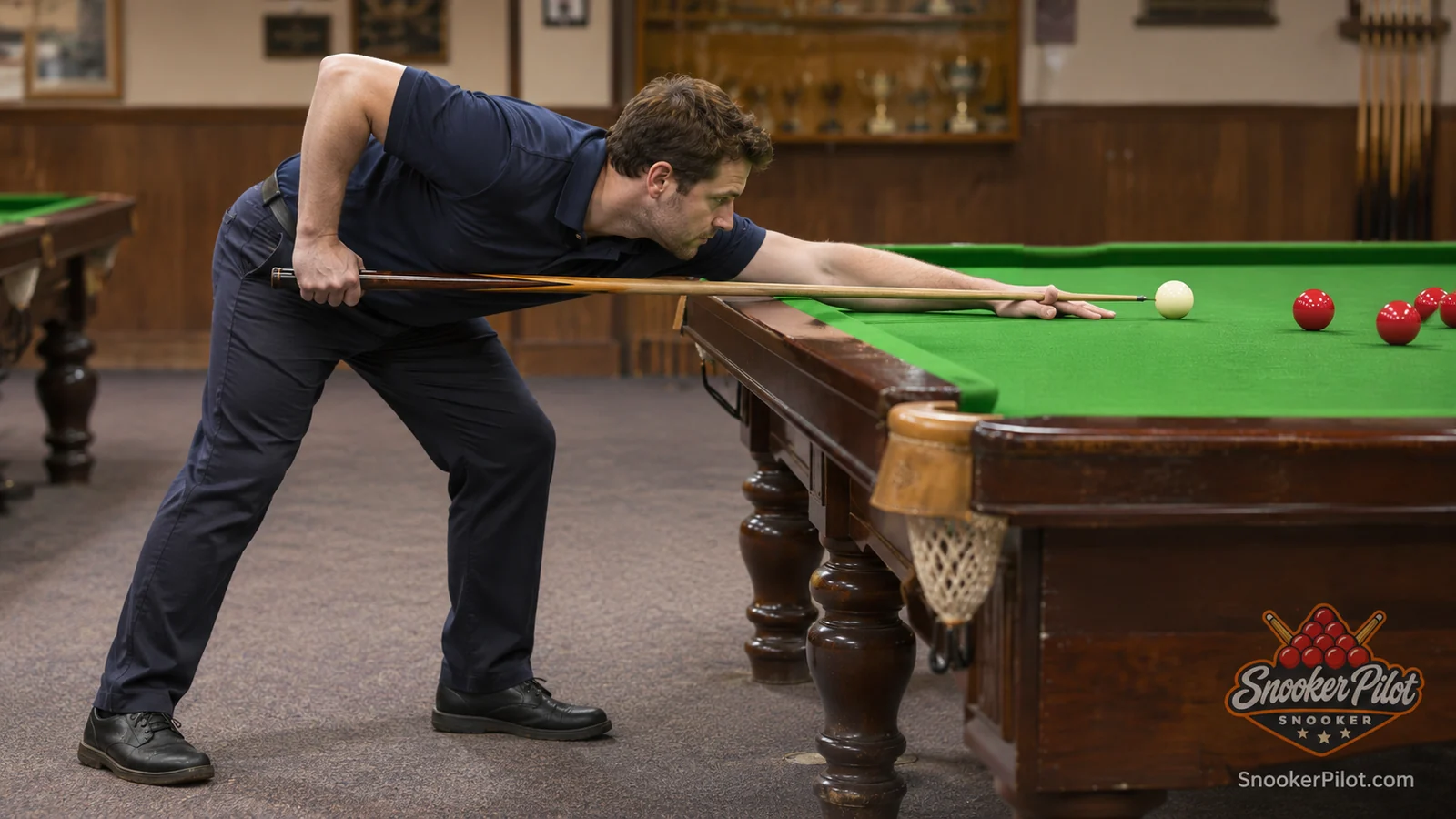
Create a comfortable snooker setup with a stable stance, relaxed grip and dependable bridge instead of copying another player’s body position.
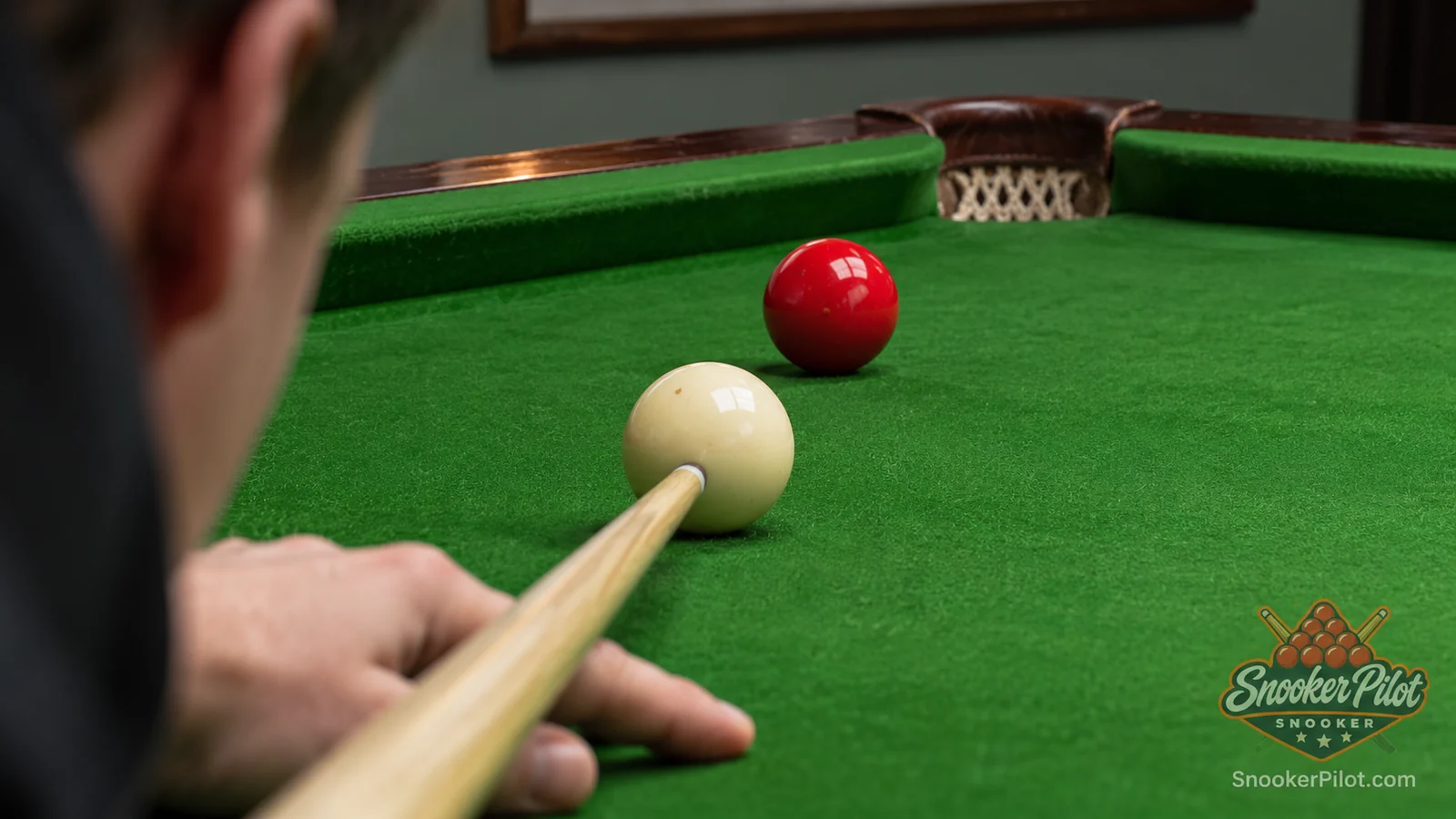
Build a repeatable aiming process using the object-ball line, a stable setup and simple drills that reveal why a pot was missed.