
Snooker Side Spin: Deflection, Swerve and Cushion Response
Side spin changes more than the rebound angle. Build a centre-ball baseline, then test small changes without assuming every table follows one aiming formula.
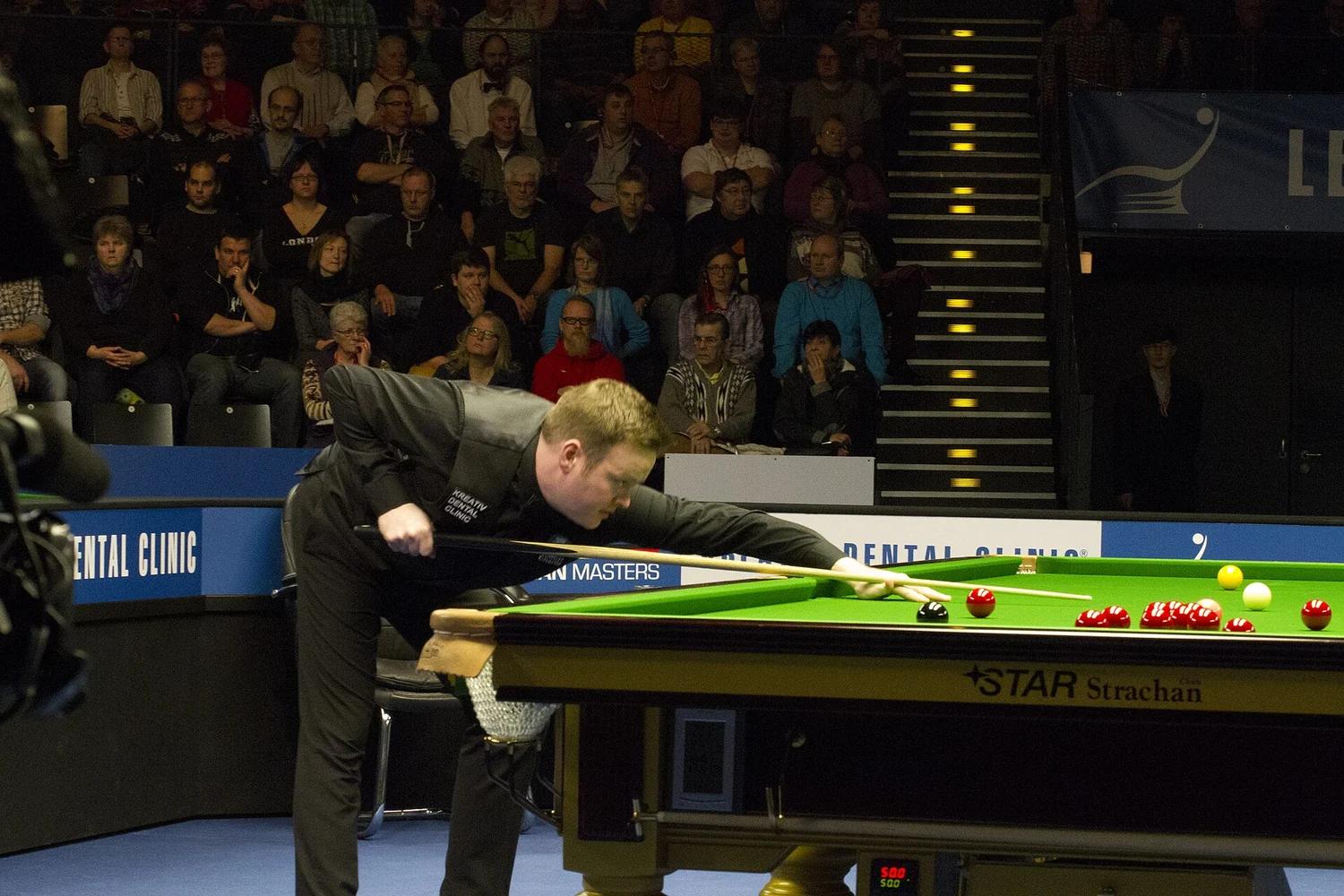
Start by naming the change you want
Side spin is produced by striking to the left or right of the white's vertical centre line. It can help alter a cushion route, but it can also complicate the original pot. Before using it, say what you want the white to do differently after contact rather than adding side because the shot looks advanced.
A simple centre-ball route is often the better match choice when it already reaches the required area. Learn to recognize when side solves a specific positional problem and when it merely introduces another variable.
The first direction can differ from the aiming line
An off-centre strike can create cue-ball deflection away from the cue direction. The ball can also curve as it travels, with cue elevation, speed and conditions influencing the effect. At object-ball contact, friction can further influence the object ball's direction. These are related complications, not one identical phenomenon.
That is why a universal instruction to aim a fixed amount wider is unreliable. The same tip offset over two distances may not produce the same correction. Establish a consistent cue action before trying to calibrate every effect at once.
A useful cushion comparison exercise
With no object ball in the route, send the white towards a chosen cushion at a moderate angle. Record its return line with centre contact. Repeat from the same start with a small left offset, then a small right offset, keeping pace similar. Use the table markings as visual references without putting adhesive on the cloth.
Compare the three patterns before adding an object ball. Do not treat your observed lines as permanent table geometry: pace, cloth and cushion response can change the outcome.
Introduce side into a pot gradually
Choose a short, comfortable pot with a clear next-position target. First make several centre-ball attempts, then add only a small amount of side. Record the pot and the white's target zone separately. If the potting rate collapses, return to the baseline instead of compensating with increasingly large aim changes.
Avoid rehearsing a strained, highly elevated action just to force a curve. For difficult escapes and spin diagnosis, a qualified coach can distinguish delivery errors from an intentional effect. Controlled experimentation teaches more than copying a spectacular television shot without understanding its purpose.
At your club with SnookerPilot
SnookerPilot supports regular club scoring and TV displays while the tablet organizes games. Keep side-spin experiments in a separate notebook and use player history for match outcomes. The software does not measure deflection, choose the correct tip offset or guarantee a particular cushion route.
Compare the packages