
Cue Ball Control Explained: Topspin, Stun and Screw Shots
Understand how cue-ball contact, speed and angle affect position, then practise follow, stun and screw without changing every variable at once.
Understand what happens at object-ball contact
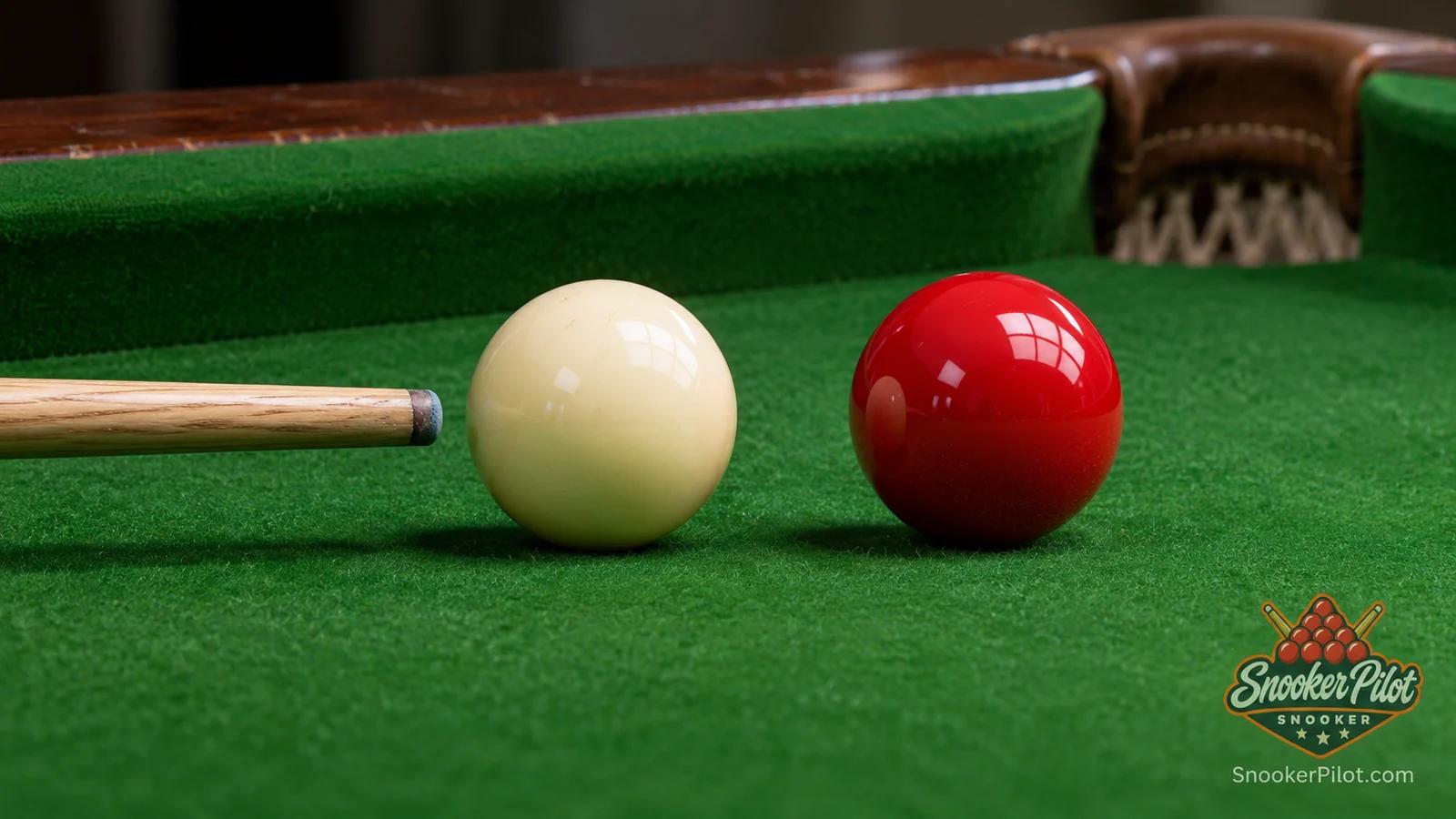
Position depends on the cue ball’s state when it reaches the object ball, not merely where you aimed the tip initially. A cue ball may be rolling forward, sliding or carrying backspin at contact. Distance, cloth and speed affect how that state develops on the way. The familiar stop shot is a special straight-line case; a stun shot on an angle sends white on a different route. Treat diagrams as starting models and test them on the actual table rather than assuming one tip position guarantees a fixed result.
Use forward roll for controlled follow
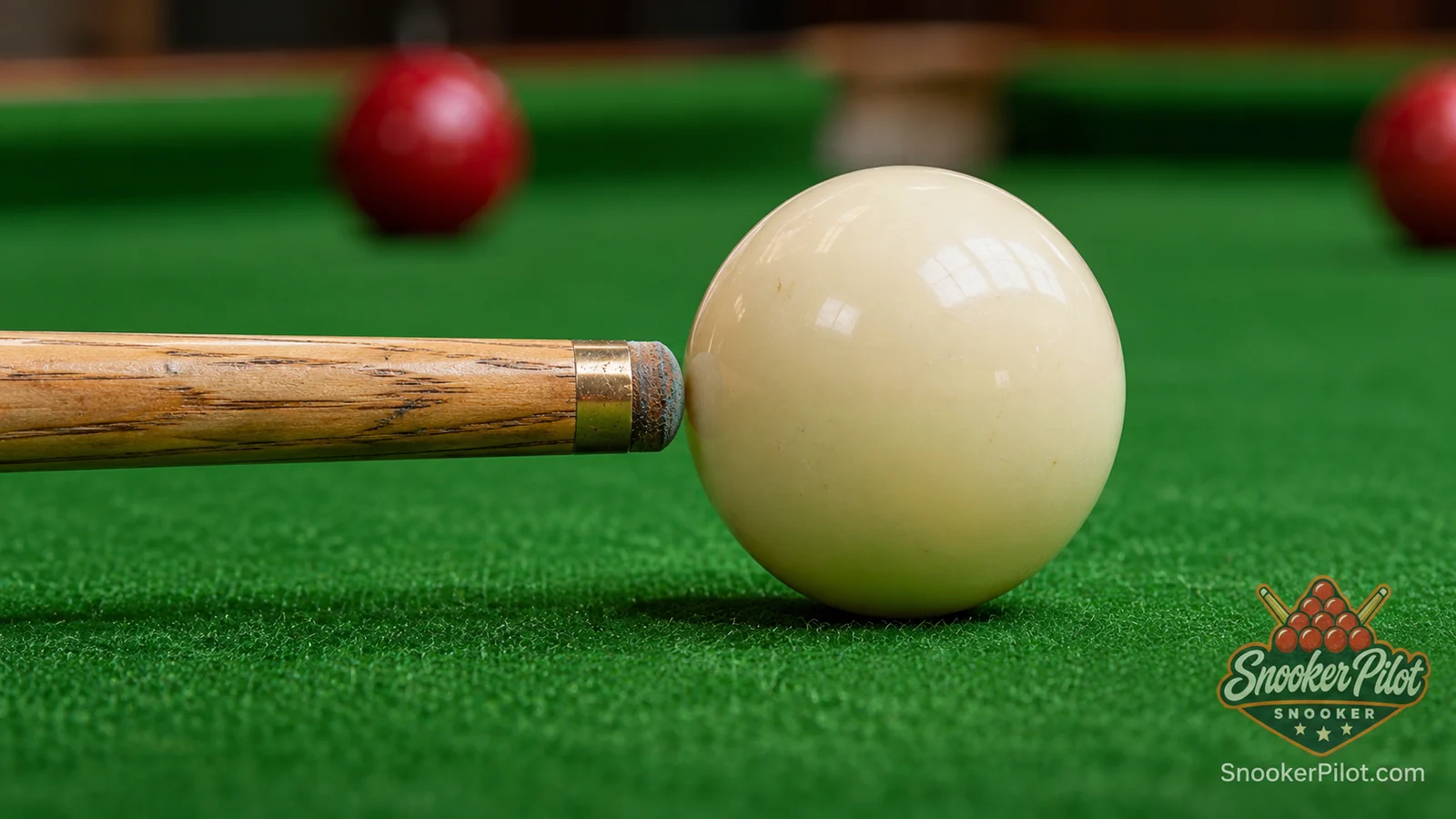
A cue ball arriving with forward roll tends to continue forward after a straight contact instead of stopping at the collision point. Begin with a comfortable pot and a large target area beyond the object ball’s starting position. Repeat with modest changes in speed, keeping the layout identical. Notice how much cue-ball travel you create. Good position is not always maximum movement: a short predictable follow can leave a much easier next shot than a powerful stroke that reaches the cushion unnecessarily.
Distinguish stun from screw
For a straight stop-shot exercise, aim to have white sliding without forward or backward rotation at contact. For screw, sufficient backspin must remain at object-ball contact for white to draw back. Simply striking low does not guarantee that result after a long journey. Practise short comfortable distances before increasing reach or power. Watch the outcome rather than forcing extra cue speed. On angled shots, both the cut and the spin change the route, so add one variable at a time.
Build a position ladder
Choose one repeatable pot and mark three generous finishing zones for white: near the contact area, a short distance forward and a short distance back. Try to reach each zone with the appropriate stroke while maintaining the pot. Record which zone you intended and where white actually finished. Once reliable, change the angle or distance, then compare again. Add side spin later, because it introduces further effects at cushions and during the stroke. A coach can help refine delivery if results remain inconsistent.
At your club with SnookerPilot
SnookerPilot can retain local match results and best-break information as players apply their positional work in real games. The full TV scoreboard on Club and above gives players a familiar table presentation, but it is not a physics simulator or automatic coaching analysis. Keep your intended landing zones and practice outcomes in separate notes, and use the app to manage the actual club game and its score.
Compare the packages