
How to Aim in Snooker: A Beginner’s Guide to Potting Angles
Build a repeatable aiming process using the object-ball line, a stable setup and simple drills that reveal why a pot was missed.
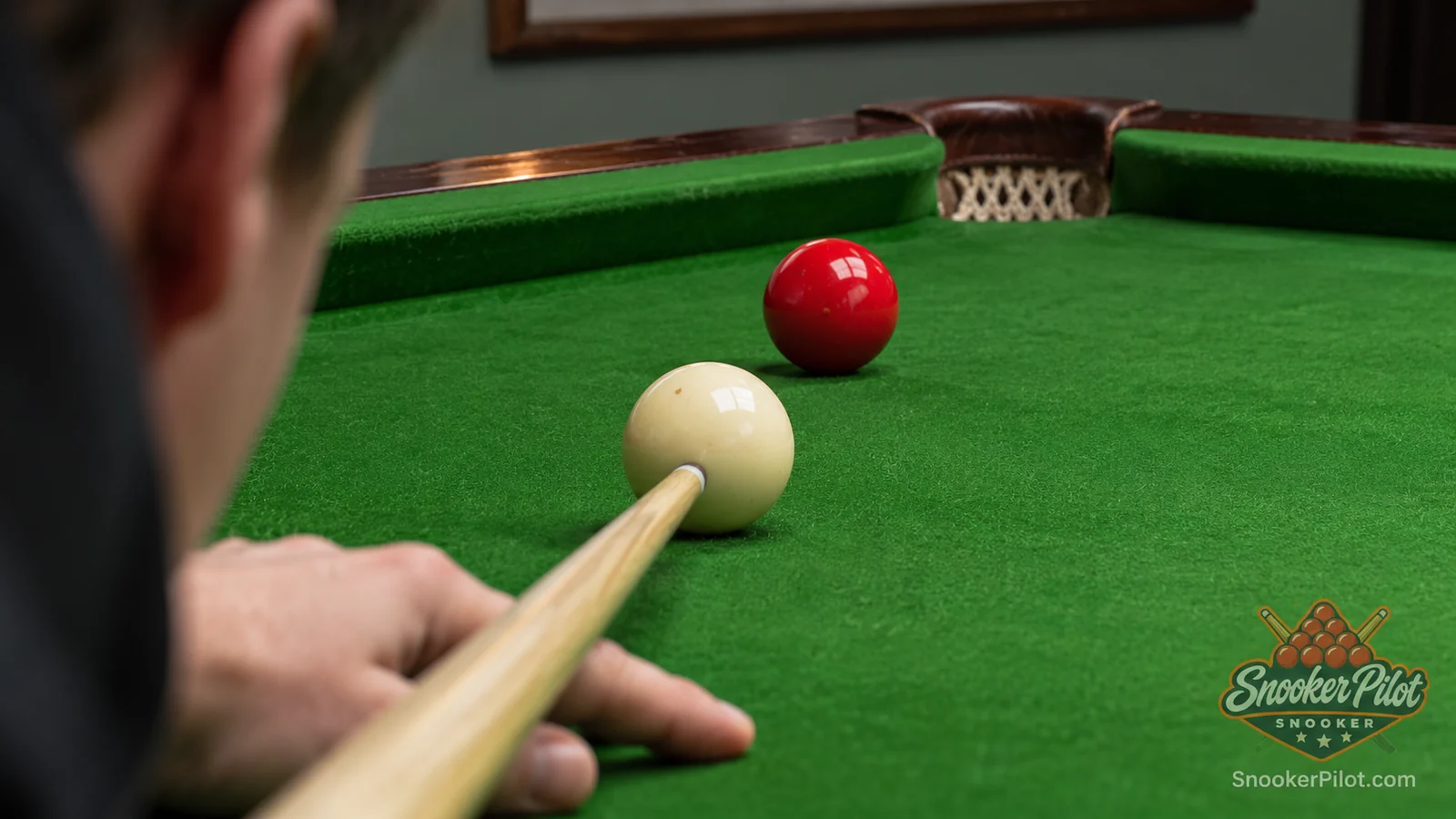
Find the object-ball route before getting down
Start behind the shot and decide which pocket you are trying to use. Imagine the line from the centre of the object ball towards the pocket opening. The cue ball must meet the object ball at a position that sends it along that route. A “ghost ball” picture can help beginners visualize where the cue-ball centre would be at contact, but it is a learning aid rather than a universal aiming guarantee. Check the intended contact from standing height before committing to your stance.
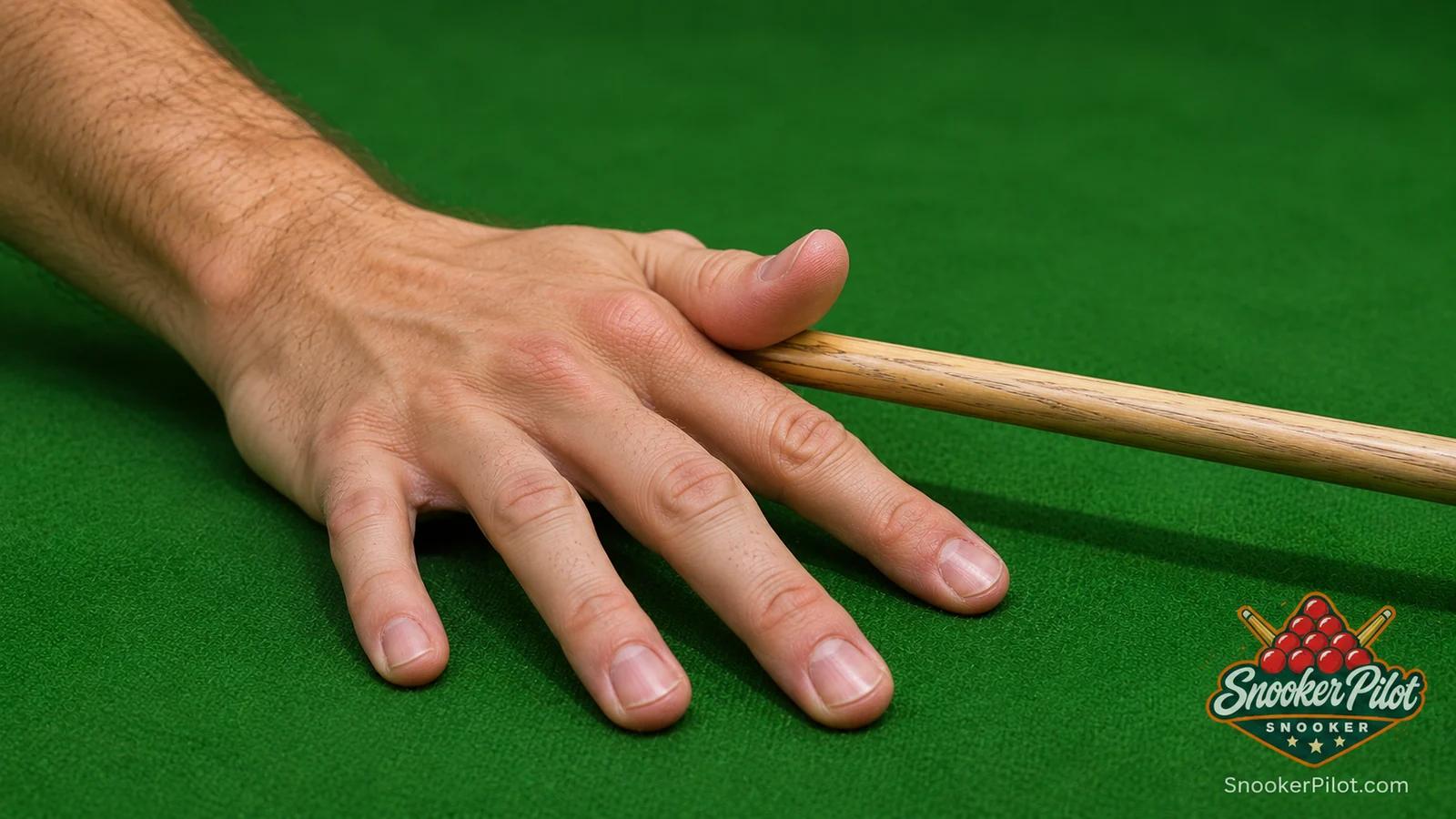
Separate aim from delivery
A correctly visualized line still fails if the cue travels sideways or the cue ball is struck off centre unintentionally. Begin with centre-ball striking and a comfortable, stable bridge. Approach the same shot the same way, settle the cue and keep your head quiet through delivery. Avoid changing several technical details after each miss. If the starting line feels wrong once you are down, stand up and reset rather than steering the cue across the intended line at the last moment.
Snooker Stance, Grip and Bridge: How to Build a Consistent Setup
Use a drill that makes the error visible
Place an object ball a short distance from a pocket with a straightforward cue-ball position. Repeat a small set of attempts from exactly the same marks, noting whether misses consistently go to one side or scatter both ways. Then change only one variable, such as distance or cutting angle. Keep the pace comparable. This is more informative than throwing balls around randomly, because you can separate a systematic aiming error from an inconsistent stroke. A coach can help interpret a repeated miss pattern.
Add position only after the simple pot is repeatable
Once the pot becomes reliable, give the cue ball a generous finishing area rather than a tiny target. Vary speed before adding side spin, which introduces more variables. For a beginner, a helpful practice note describes the shot, number of attempts and predominant miss direction. A high break in one game is not proof that a specific aiming adjustment worked. Compare several sessions under similar conditions and return to the simple version whenever a new variation becomes erratic.
At your club with SnookerPilot
SnookerPilot helps keep real club games clearly scored and retains local results and break records that can show broader progress over time. Use a separate practice notebook for pot-attempt counts or aiming observations: the software does not measure your contact point or automatically calculate potting accuracy. A visible TV scoreboard lets players check the game state before returning their attention to the next shot.
Compare the packages