
How to Improve Long Potting Without Losing Cue Ball Control
Practise long snooker pots with a repeatable setup, measured speed and a plan for white after the object ball reaches the pocket.
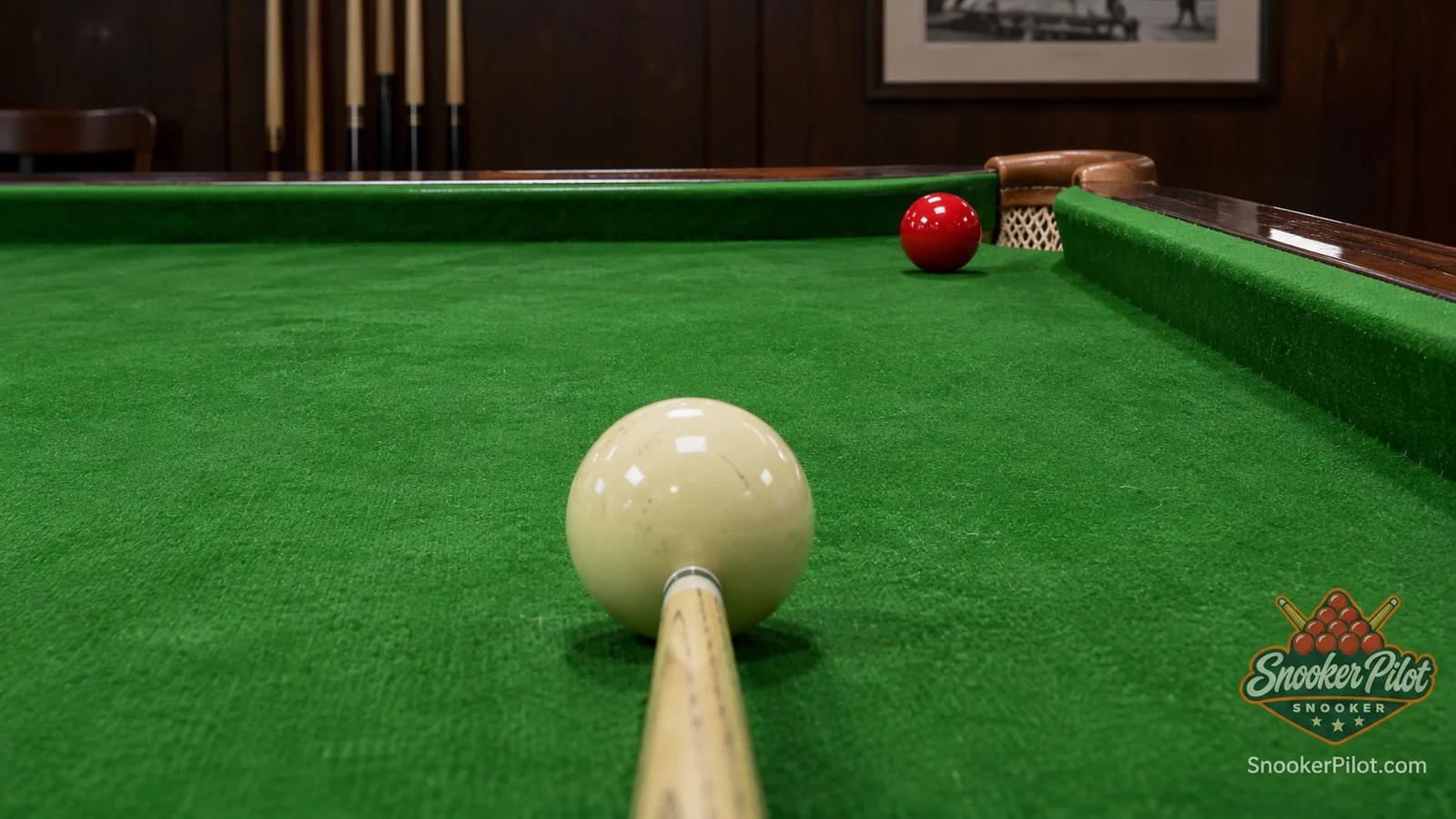
Choose one long pot you can reproduce
Use an open practice table with a clear route and mark the starting positions in a way the club permits. Begin with a manageable distance rather than the longest diagonal available. Identify the pocketing line while standing, then approach with your normal setup. If the cue ball is against a cushion or your bridge is awkward, simplify the shot first. Long distance magnifies small delivery errors, so it is difficult to learn much when several setup problems are added at once.
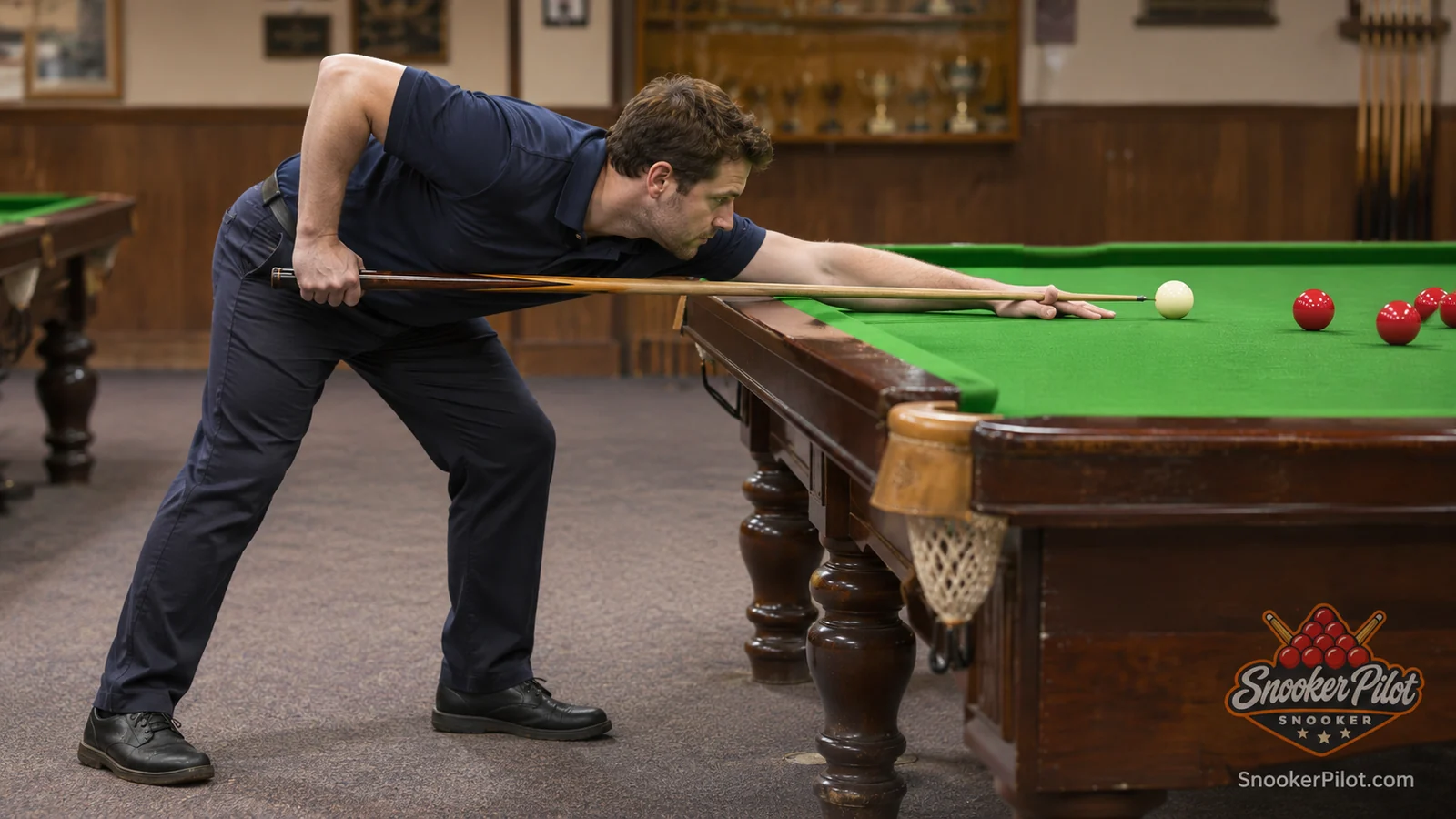
Find the pace that the pot actually needs
A long pot does not automatically require maximum power. Start with enough pace for the intended route and compare a few controlled attempts. Notice whether you accelerate abruptly or lift your head when the object ball looks far away. Keep the bridge and grip dependable and resist steering the cue during the final stroke. A coach can help distinguish line selection from delivery. Judge a set of similar attempts rather than treating one spectacular success as proof that the technique is settled.
Give white a job as well
After a basic pot becomes repeatable, choose a large finishing zone for white that would leave a useful next shot. Compare natural follow, a controlled stop-type action or a small draw where appropriate to the angle. Record whether the pot succeeded and whether position was useful; these are two different outcomes. A potted long red that leaves no reasonable colour is not the same achievement as a controlled opening to a break. Avoid adding side spin before you understand the simpler cue-ball route.
Transfer the exercise to sensible match choices
In a real frame, ask what happens if the pot misses. The location of white and the red you leave can turn a low-percentage attack into an easy opening for the opponent. Sometimes a safety is the stronger choice. Practise a related defensive option from the same starting area so you can compare both decisions. Increase distance gradually and review consistent miss patterns. The useful goal is a long-pot option you understand, not a habit of attacking every visible red.
At your club with SnookerPilot
SnookerPilot keeps match scores, breaks and frames clear while players make their own shot choices. Its local history can show whether better opening opportunities lead to improved real results. Record long-pot attempts and finishing-zone success in separate practice notes, because the software does not measure those percentages automatically. Staff can keep the next players organized with the Club-and-above waiting queue while sessions change.
Compare the packages