
Why Your Snooker Screw Shot Does Not Come Back
Backspin must survive the journey to the object ball. Diagnose tip height, distance, pace and delivery with a short draw-shot test instead of simply hitting harder.
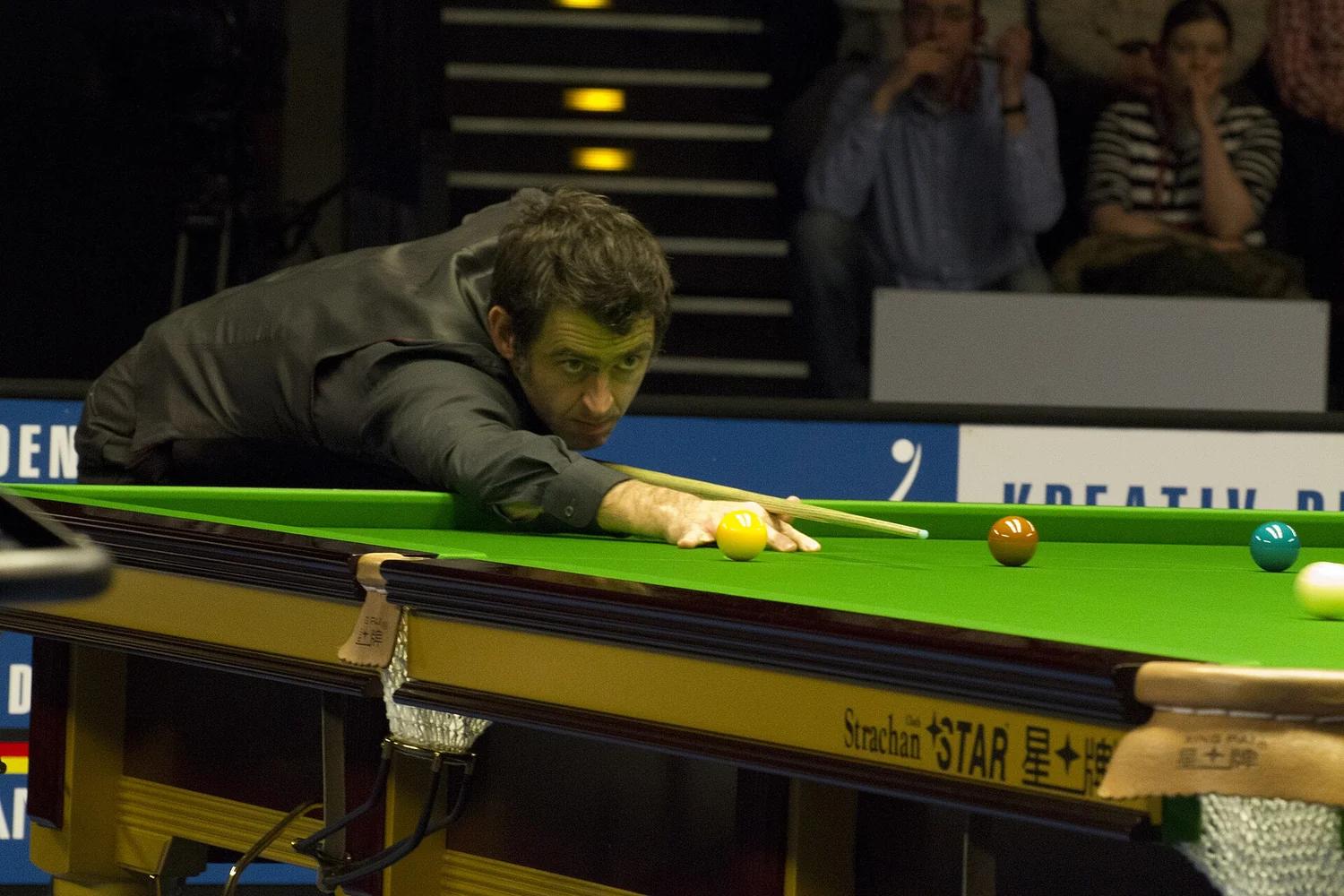
The white needs backspin when it reaches the red
A screw shot, also called a draw shot, uses backspin to bring the white back after object-ball contact. Creating backspin at the beginning is not enough if cloth friction removes it before the collision. This explains why a short practice screw can work while a longer version produces a stop or a forward roll.
Check the distance first. With the same delivery, the white has more time to lose its backward rotation on a longer journey. A different table or slower cloth can change the outcome without your cue action suddenly becoming worse.
Check where the tip actually strikes
Players sometimes aim low in preparation but lift the tip during the final delivery. The intended contact and the actual contact are then different. Start with a comfortably low strike, a reasonably level cue and a stable bridge, rather than aiming as close to the cloth as possible.
Chalk the tip carefully and inspect its condition. A miscue is not evidence that you need even lower contact. Scooping under the white can produce an uncontrolled jump and damage the cloth. Ask a coach to observe the strike if the contact is inconsistent.
Change distance before adding power
Place a straight red close enough to pot comfortably and leave a modest distance from the white. Play five controlled attempts, noting whether the white follows, stops or returns. Then increase only the distance between the balls and repeat. Keep the potting angle as similar as possible.
This comparison separates a distance problem from a random collection of different shots. Once you can repeat the short version, introduce small pace changes. A violent acceleration can spoil alignment and contact, so more effort may produce less useful backspin rather than more.
Measure a useful return, not the longest return
Choose a finishing zone behind the original white position instead of trying to draw the entire table length. Record whether the red drops and whether the white reaches that zone. A spectacular return that misses the pot or leaves no next colour has not solved the positional task.
Check your grip and finish for late steering. Repeat a small number of good attempts, reset, and rest if the action becomes rushed. For match play, choose a reliable stun or follow route when the demanded screw is beyond your current repeatable range.
At your club with SnookerPilot
SnookerPilot can record regular practice frames and show scores on the club TV. Use a separate attempt sheet for draw-shot zones and success rates, then compare your ordinary match results over time. The app manages scoring and club records; it does not track cue-ball spin from video.
Compare the packages