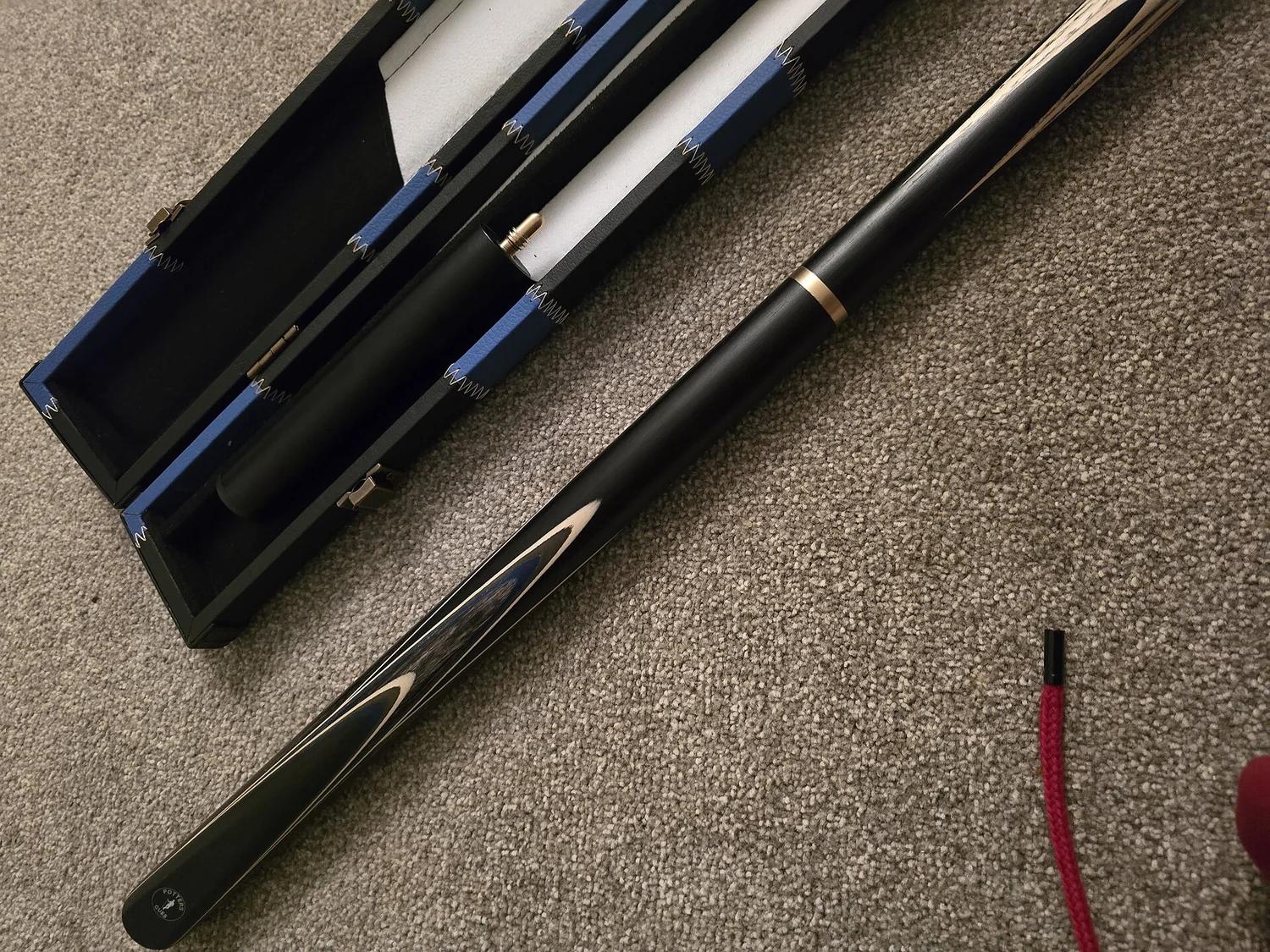
Snooker Cue Care: Cleaning the Shaft, Checking Joints and Safe Storage
A practical maintenance routine for a wooden snooker cue: remove surface dirt carefully, protect the finish and avoid the storage habits that invite problems.

Rules you can settle. Practice you can use. Ideas for a better-run club. Explore our guides for players, fans and club owners.
A practical maintenance routine for a wooden snooker cue: remove surface dirt carefully, protect the finish and avoid the storage habits that invite problems.
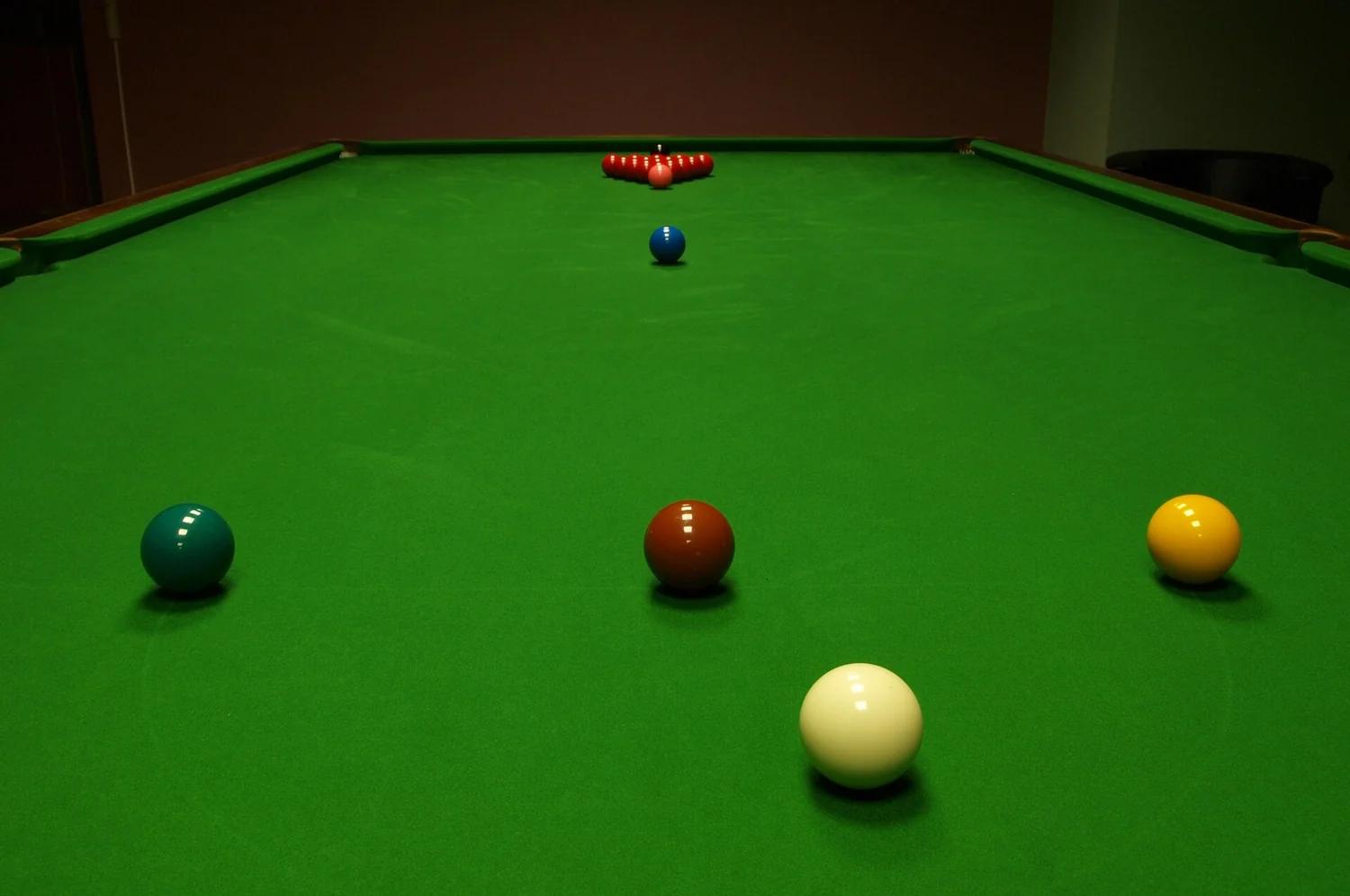
Understand the direction of napped cloth, separate it from table slope and test pace sensibly before blaming your cue action or changing maintenance routines.
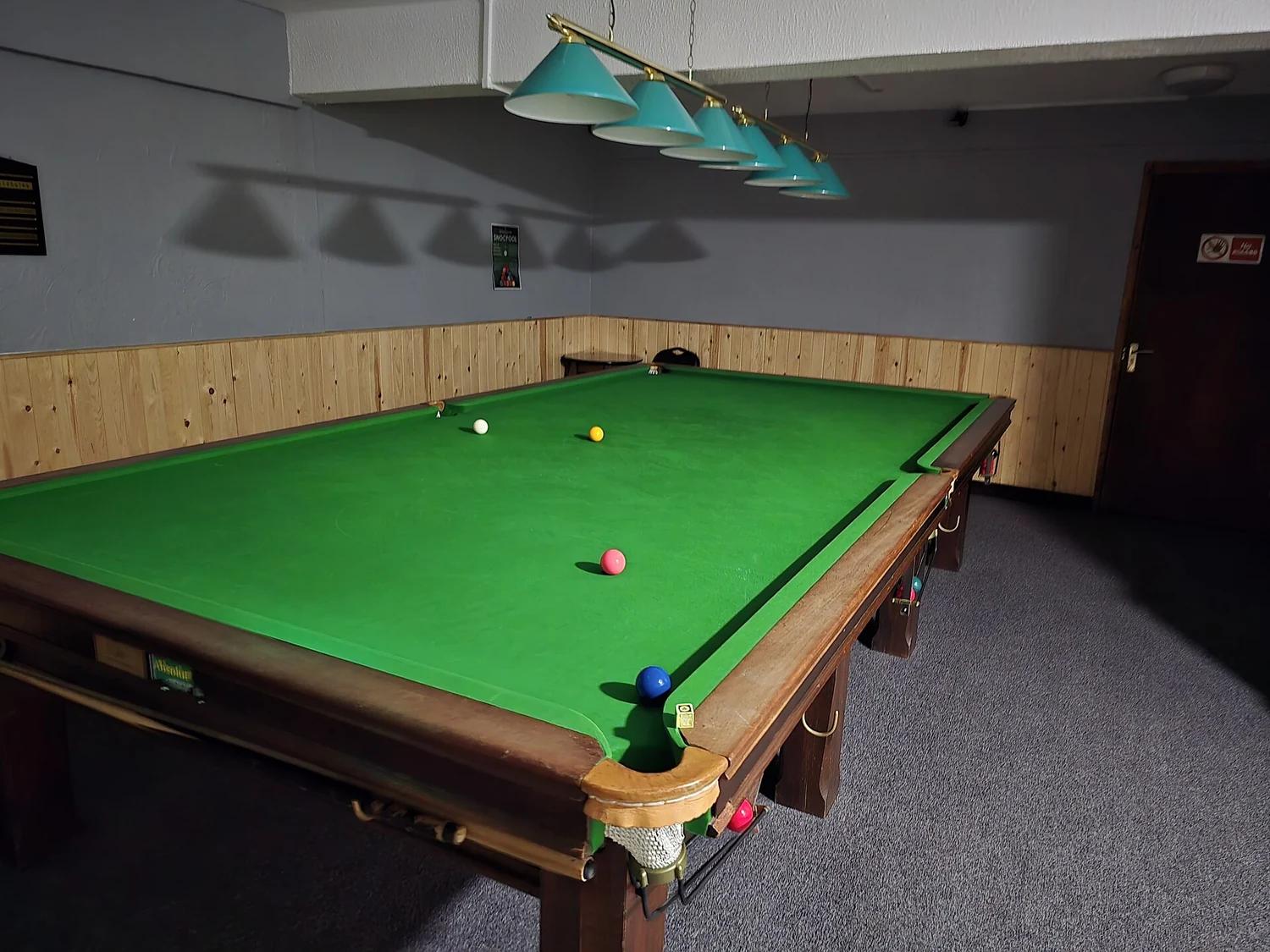
A 12-foot table label is not the measured playing area. Check the official bed dimensions, cushion-rail height and 52.5 mm ball diameter before comparing equipment.
Tip hardness affects feel and maintenance, but it does not replace good contact. Compare options without trusting a universal hardness chart or buying a promised extra spin.
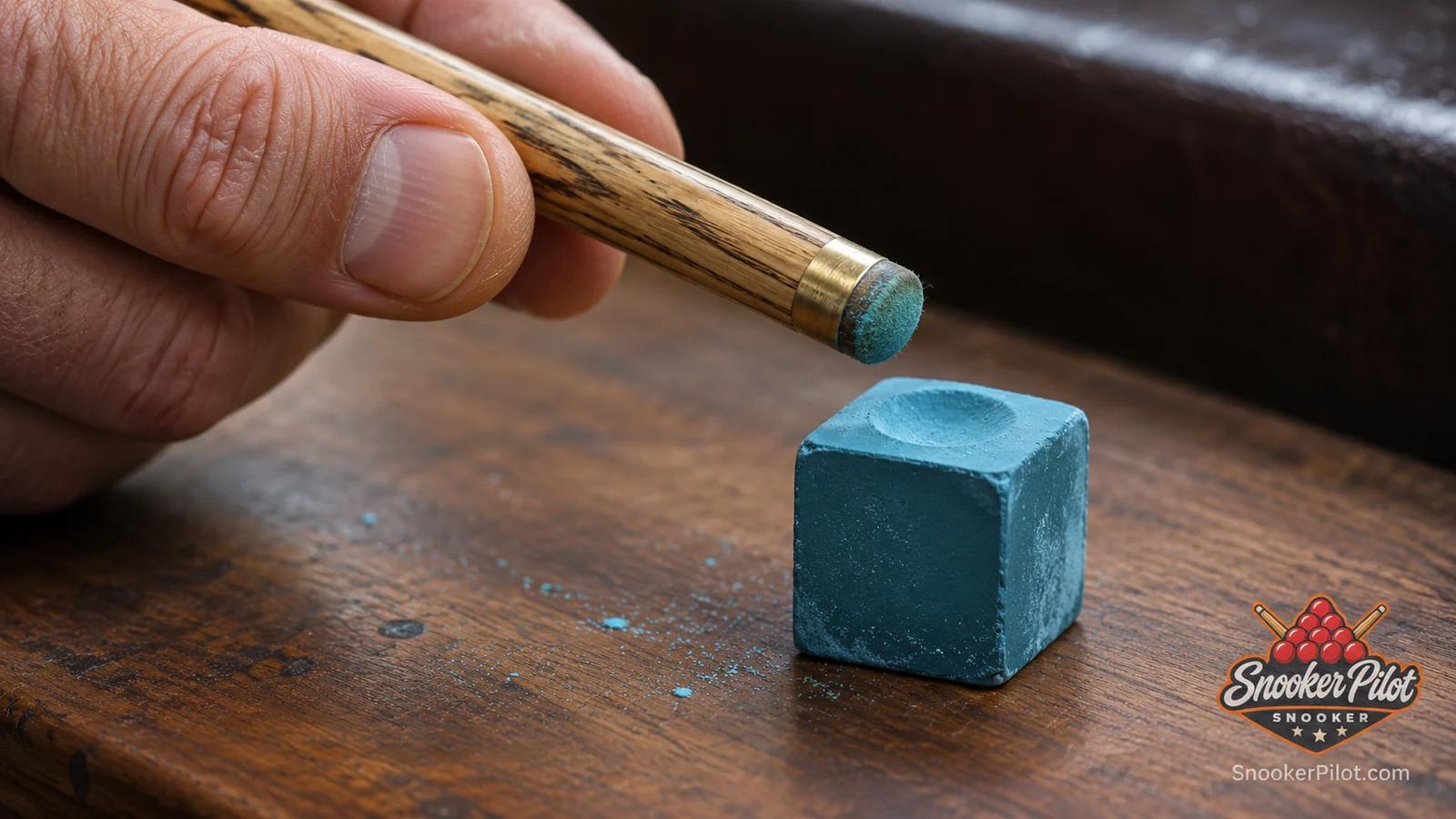
Understand chalk’s role at the tip and learn a clean application routine that protects the table.
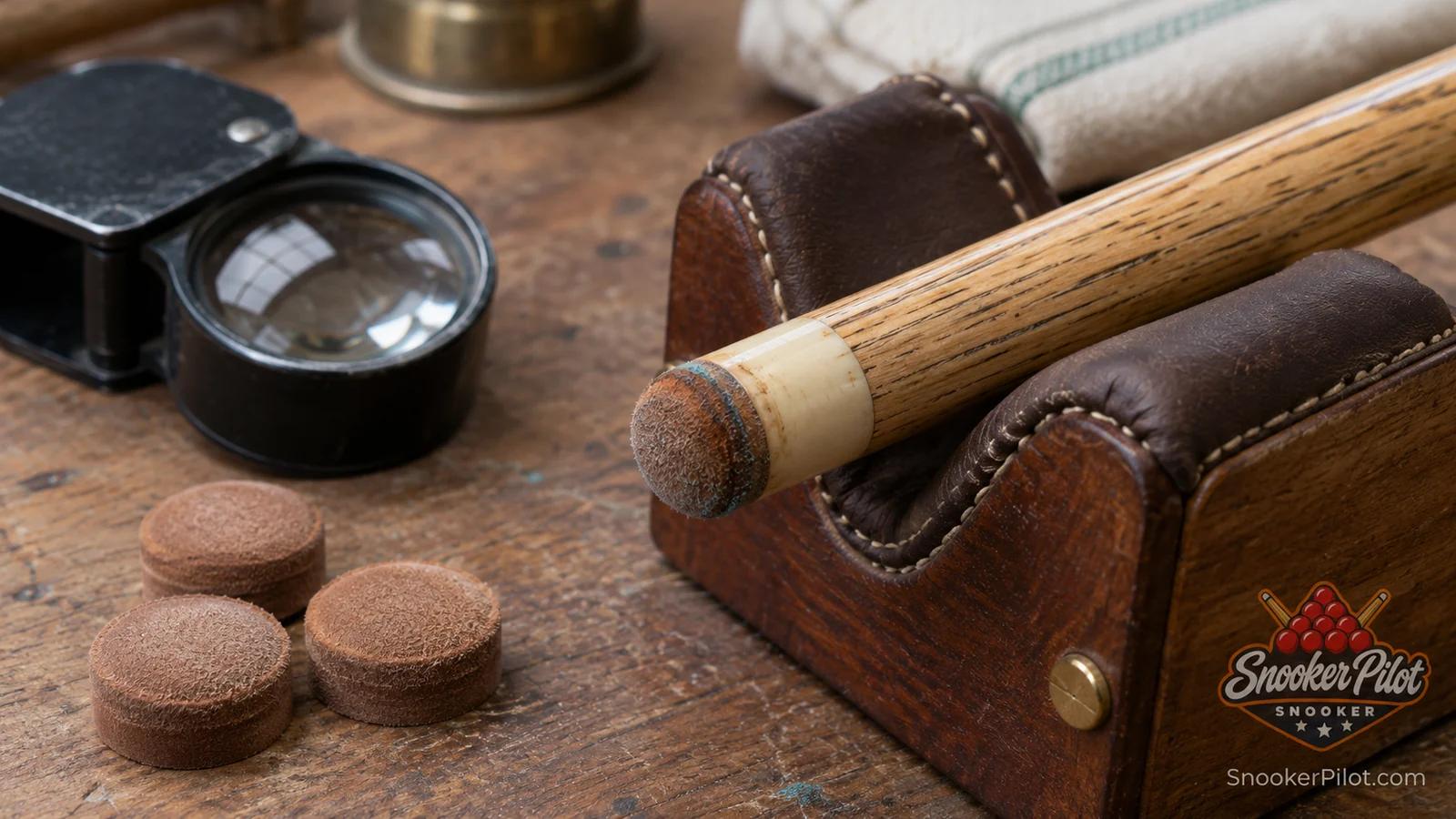
Recognize wear, damage and poor attachment without replacing a usable tip merely because a fixed number of weeks has passed.
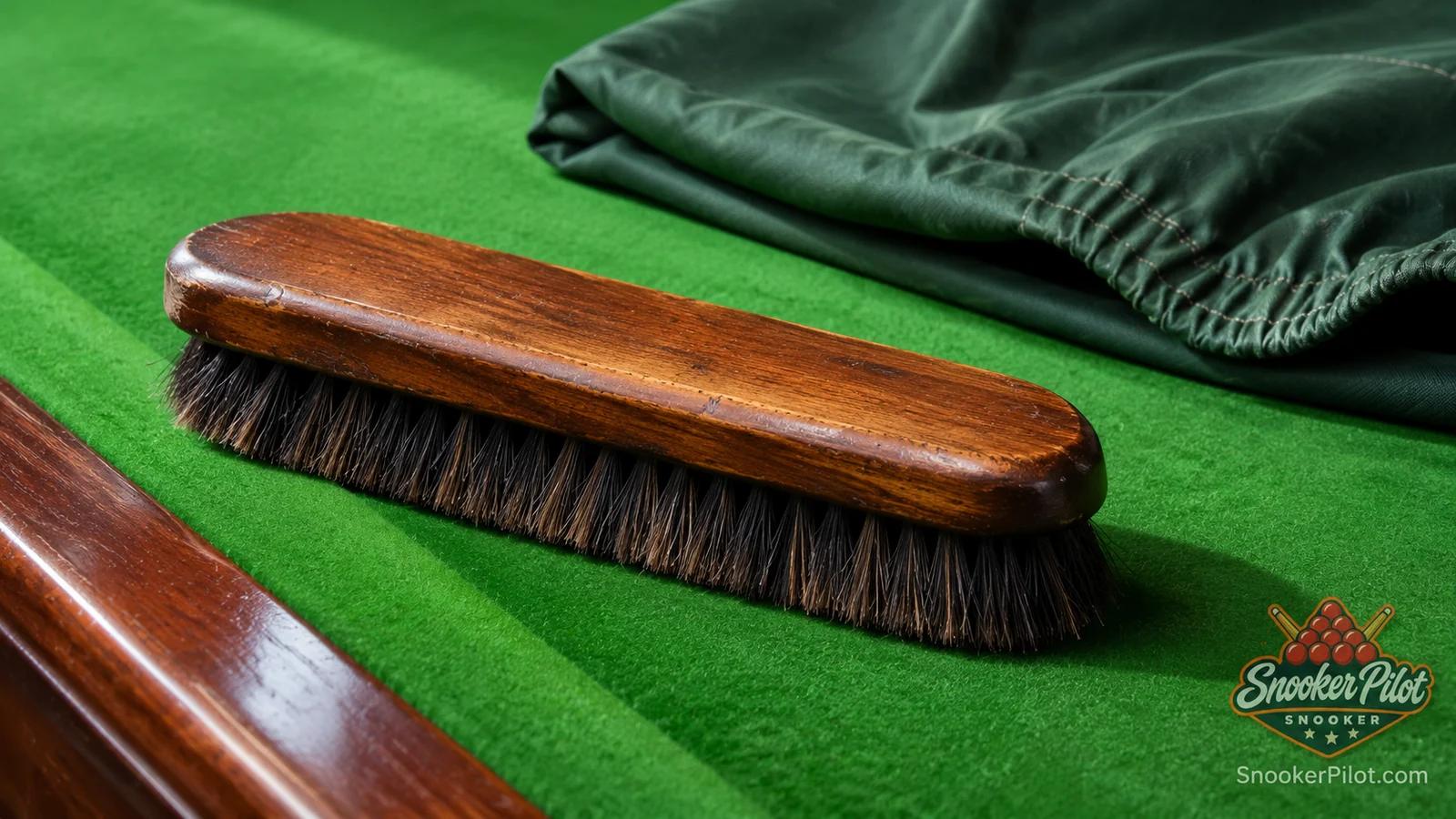
A careful routine for napped snooker cloth, including brushing direction, spill response and when to call the fitter.
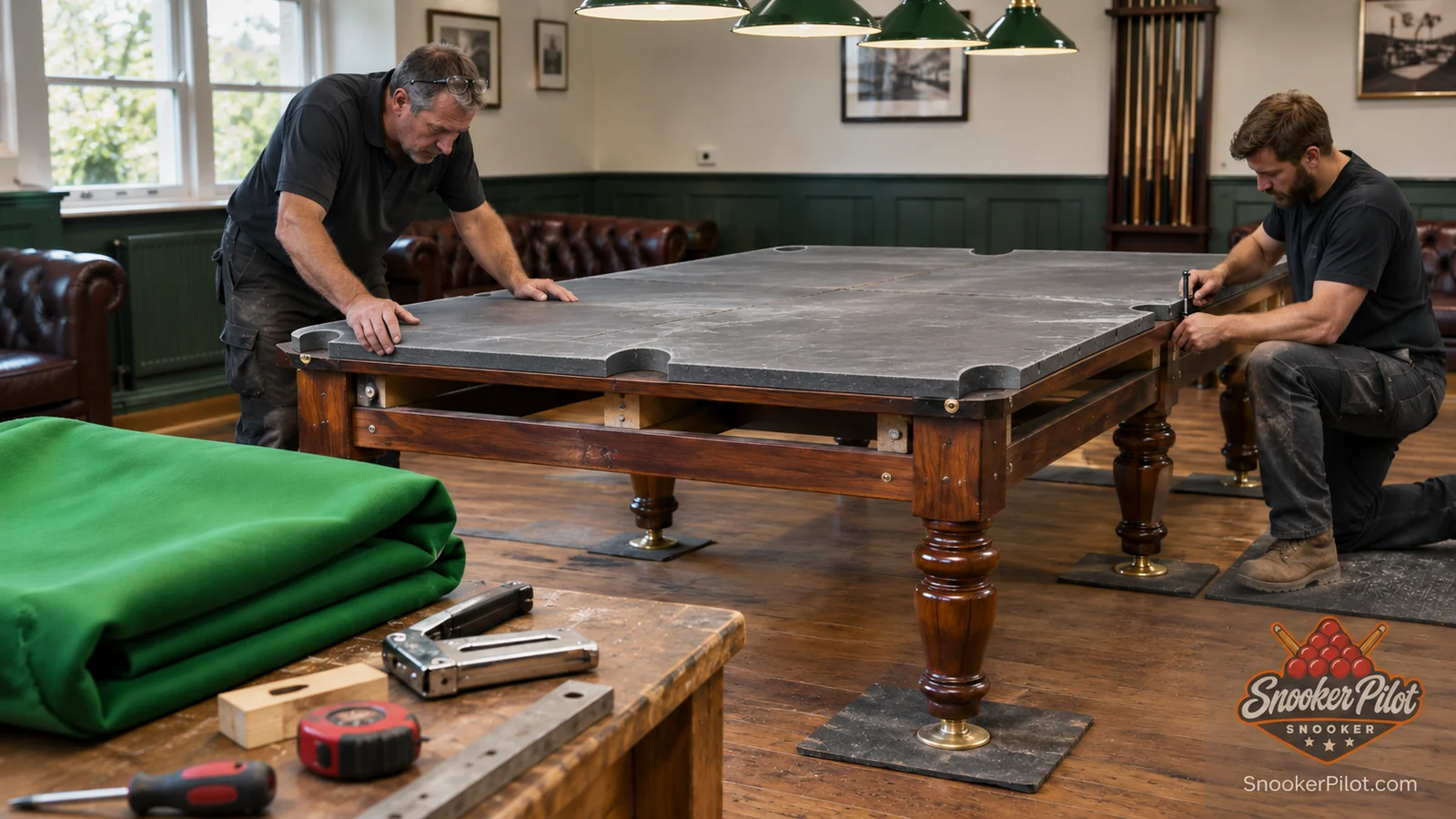
Build a realistic table budget by separating the advertised price from access, installation, lighting and ongoing care.
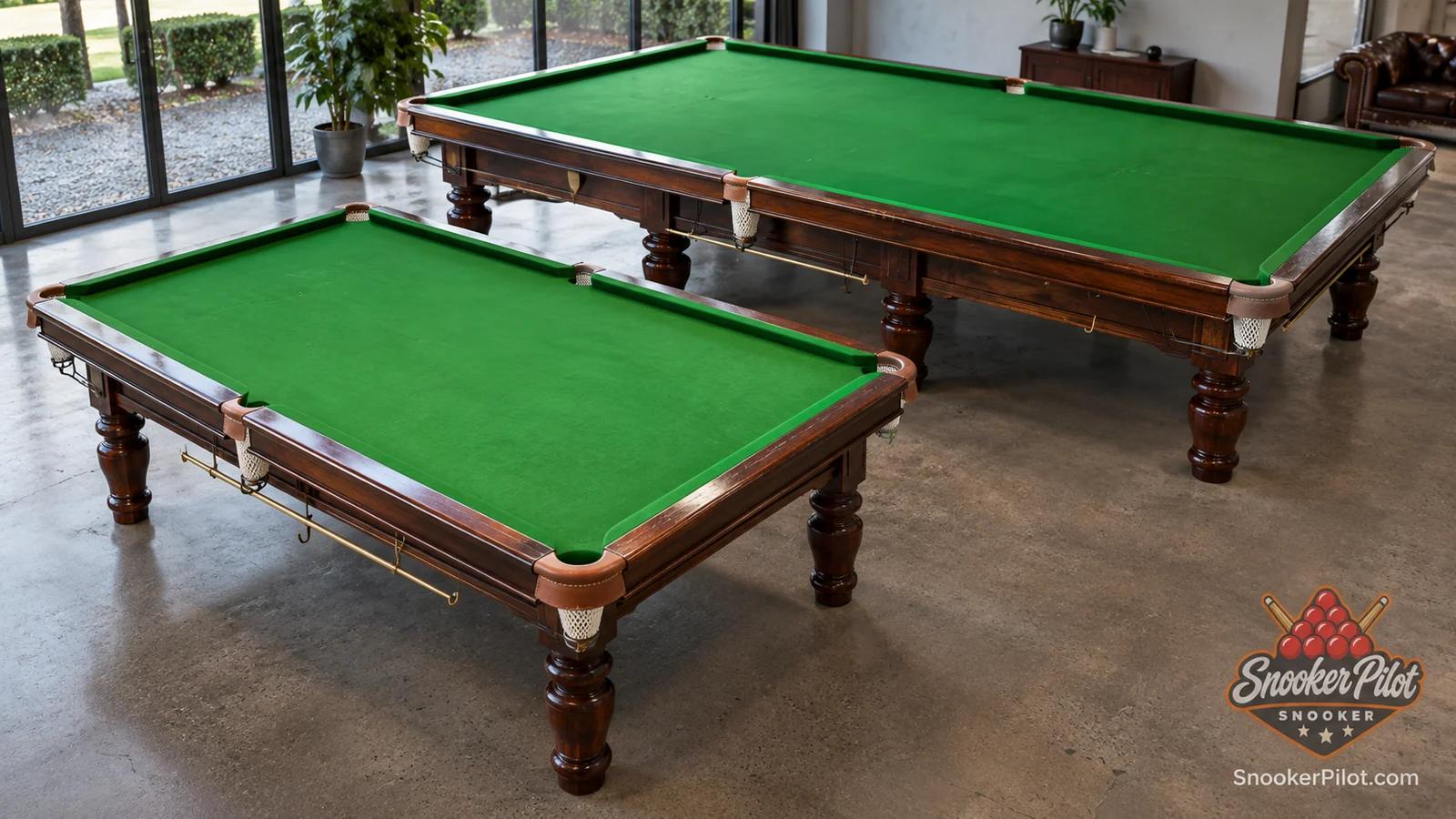
Compare space, shot distance and intended use before choosing a 10ft or full-size snooker table for a home or club.
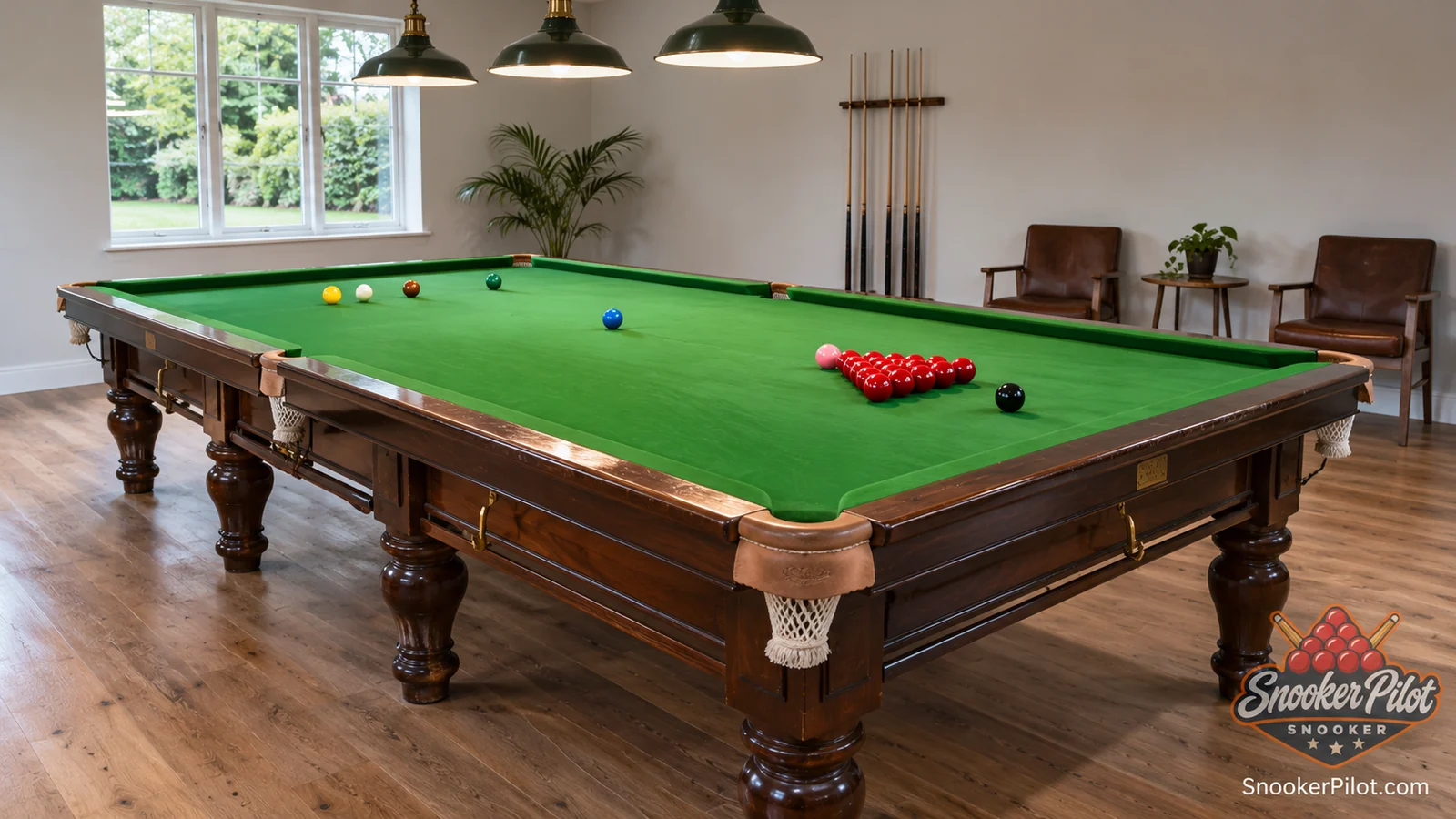
Plan cue clearance, furniture and access around a snooker table, using manufacturer room guides instead of measuring only the playing surface.
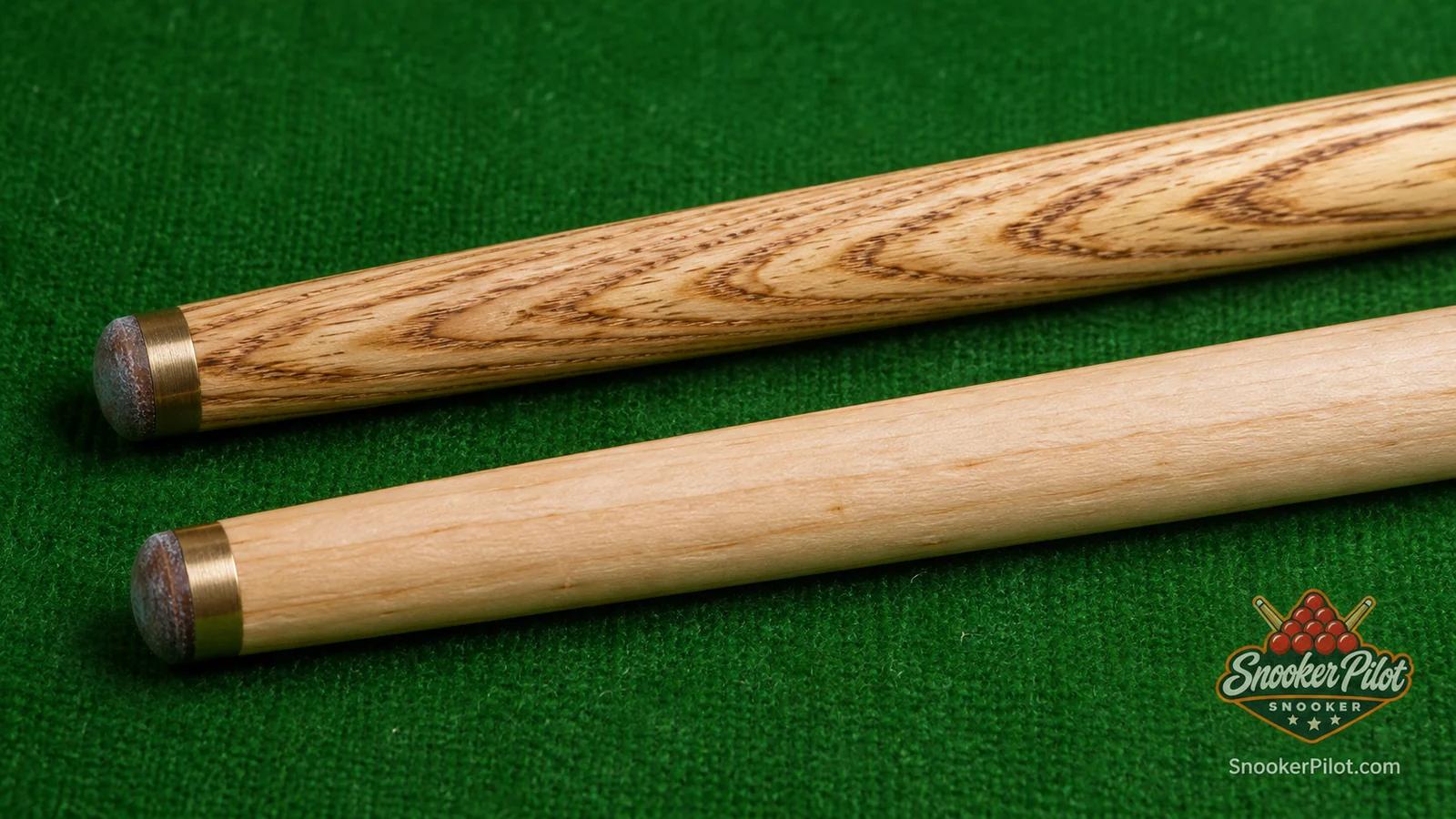
Compare ash and maple cues through grain, feel and complete-cue quality, then use a fair test instead of choosing by wood reputation alone.
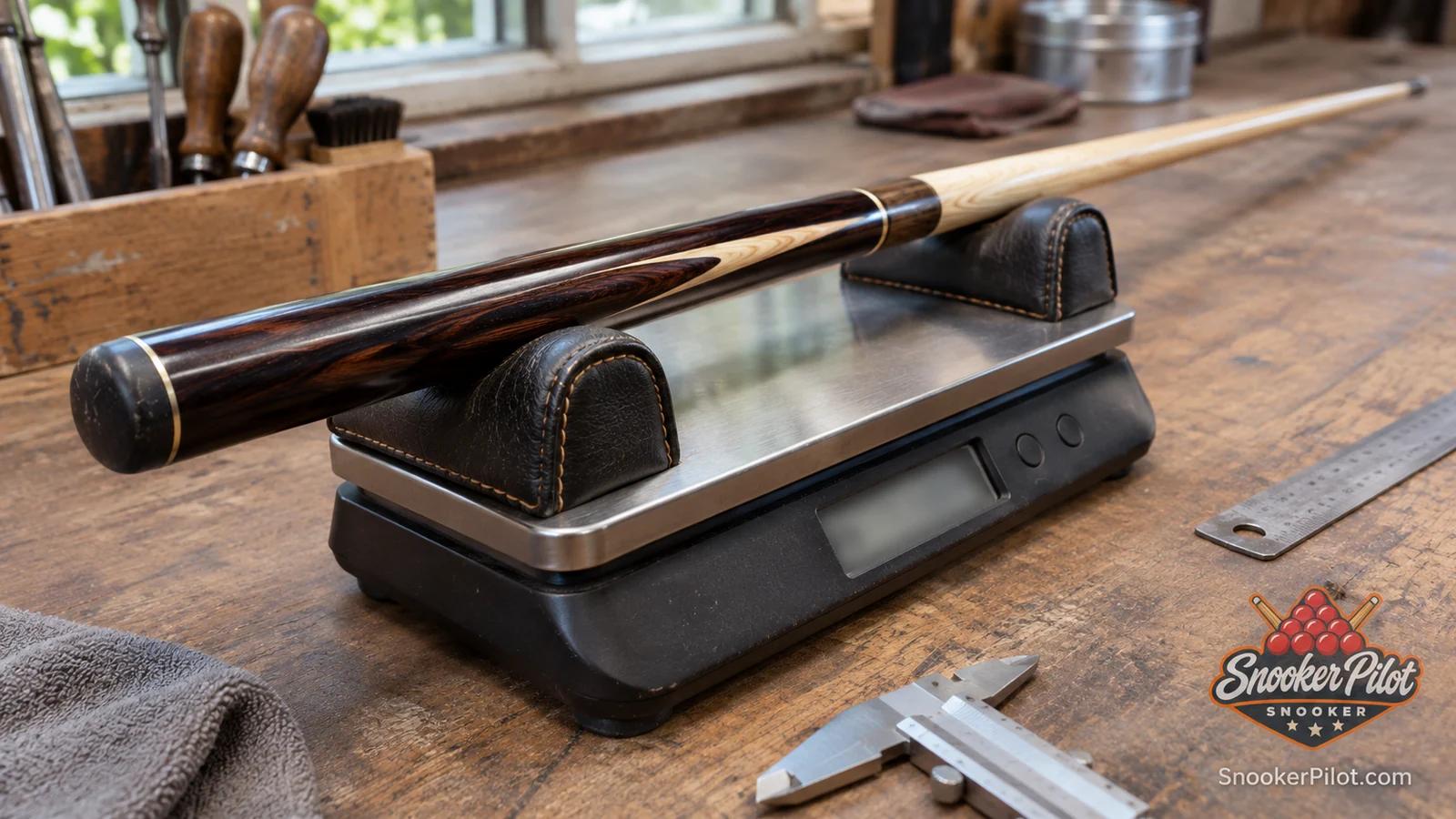
Compare cue weight and balance with repeatable shots, understand ounces and grams, and avoid choosing solely by another player’s specification.
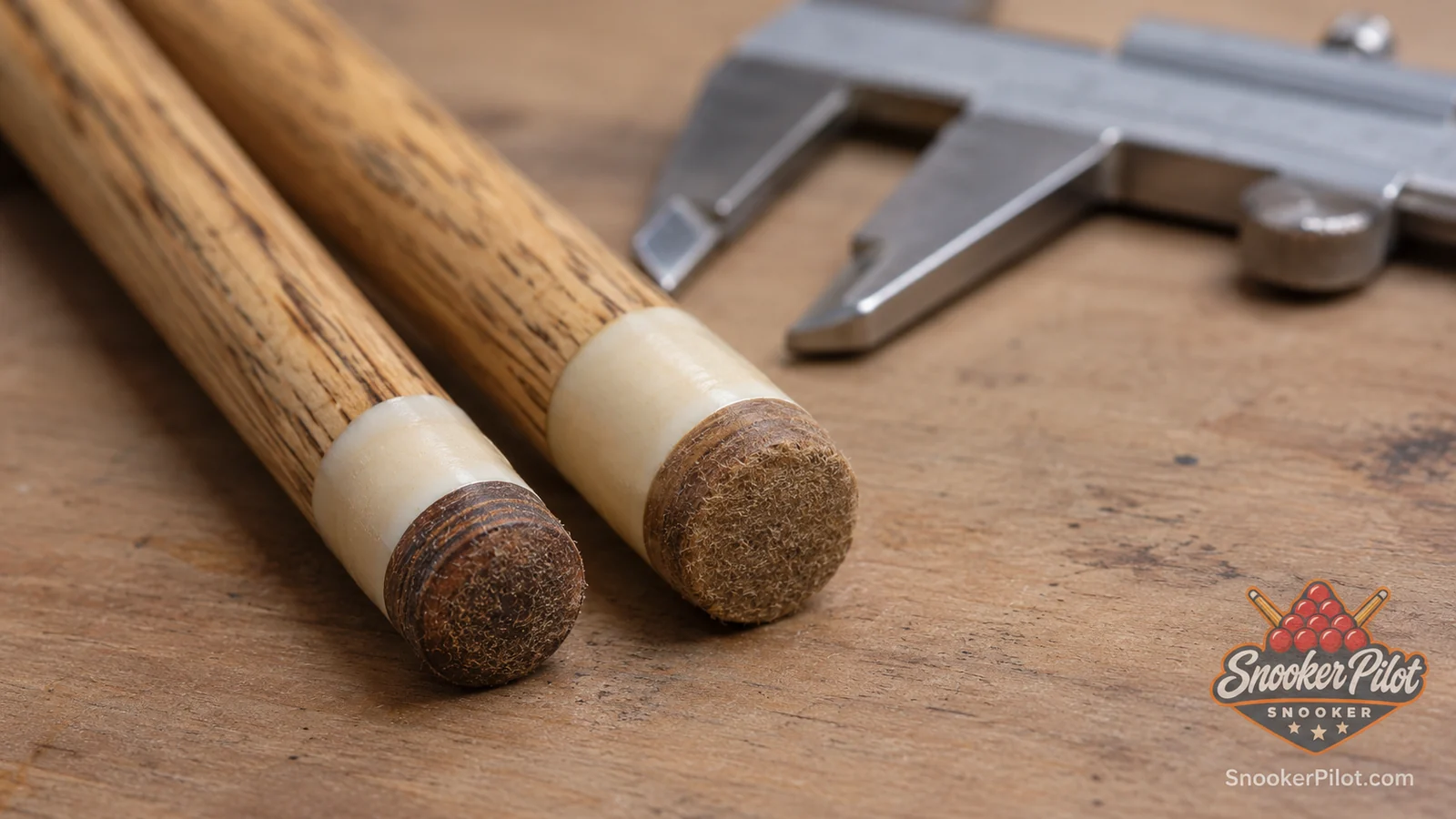
Understand tip diameter, tip shape and condition, then compare cues without assuming that a smaller tip automatically improves accuracy.
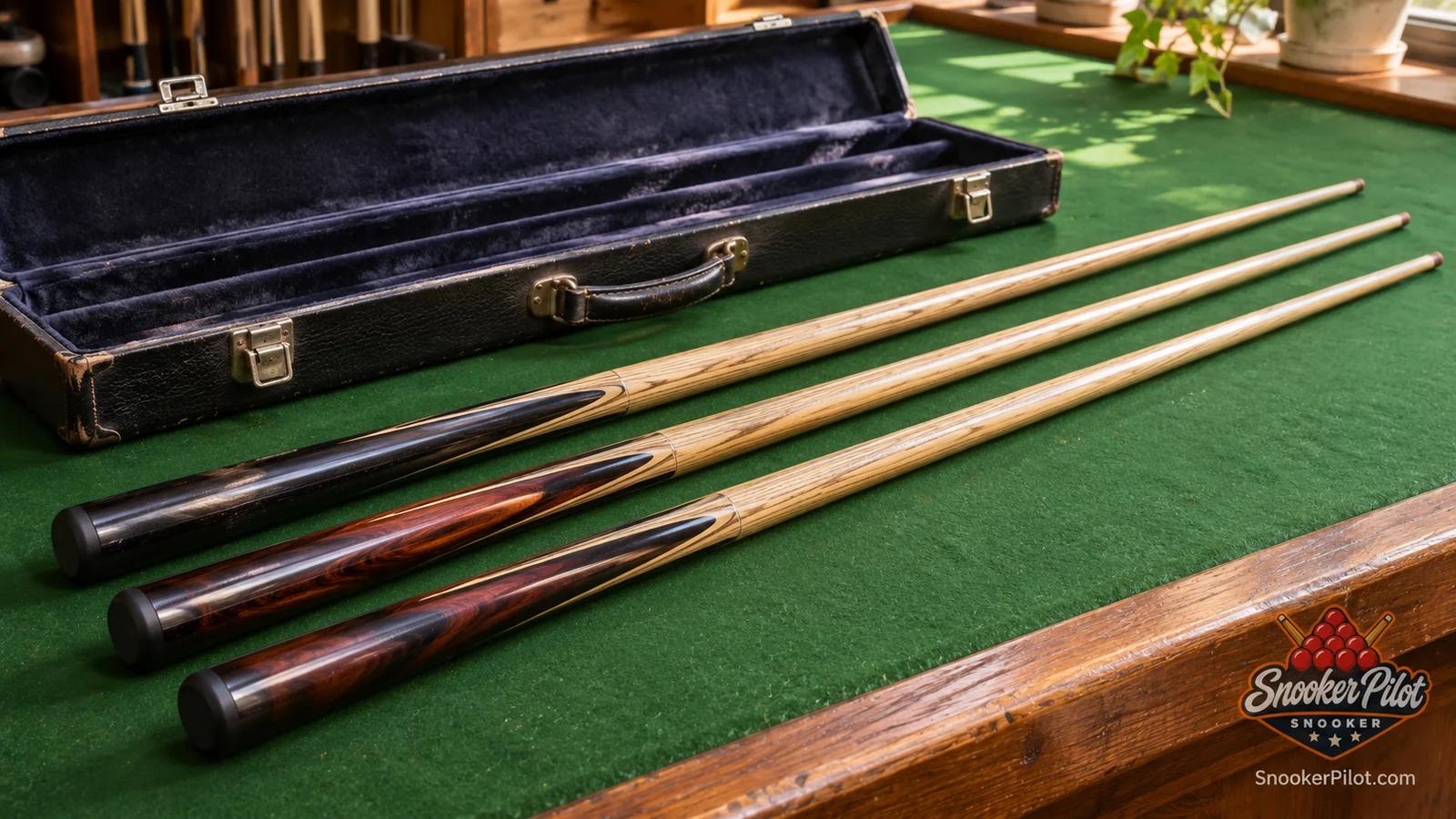
Choose a first snooker cue by comfort, straightness, tip condition and total cost, with a simple test you can repeat before buying.