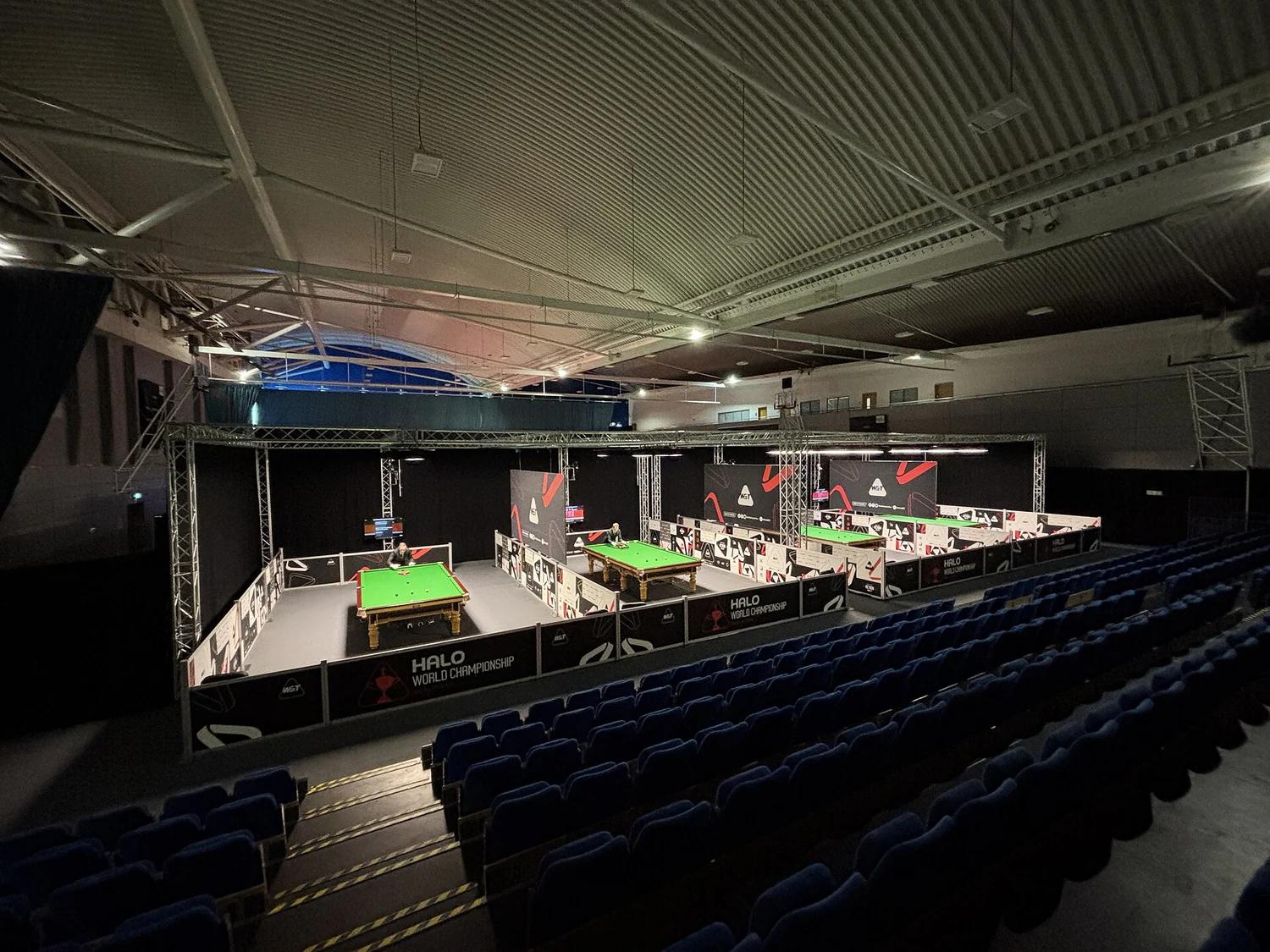
Snooker Shoot Out Rules: The 10-Minute Frame and Shot Clock Explained
The Shoot Out changes timing, cushion requirements and foul procedure. Learn why its 15-second and 10-second clocks do not apply to ordinary snooker matches.

Rules you can settle. Practice you can use. Ideas for a better-run club. Explore our guides for players, fans and club owners.
The Shoot Out changes timing, cushion requirements and foul procedure. Learn why its 15-second and 10-second clocks do not apply to ordinary snooker matches.
A famous title does not automatically carry ranking money. Understand entry criteria, prestige and why a short-format event can still count towards official rankings.
Estimate a match sensibly by separating frames, winning targets, sessions and unpredictable table time.
Find the authorized broadcaster for your country and event without mistaking archive access for live coverage.

Build a realistic route from competitive club play to official qualification opportunities without confusing improvement with a guaranteed tour card.
Compare clearly defined records without turning different eras and statistics into a misleading single score.

The answer depends on the era: separate Joe Davis’s all-era total from modern and Crucible records.

Revisit the 1997 Crucible maximum, the recognized 5:08 timing and the useful lessons beyond playing quickly.
Learn why 147 is the conventional maximum, how a free ball permits 155, and what O’Sullivan’s 153 means.
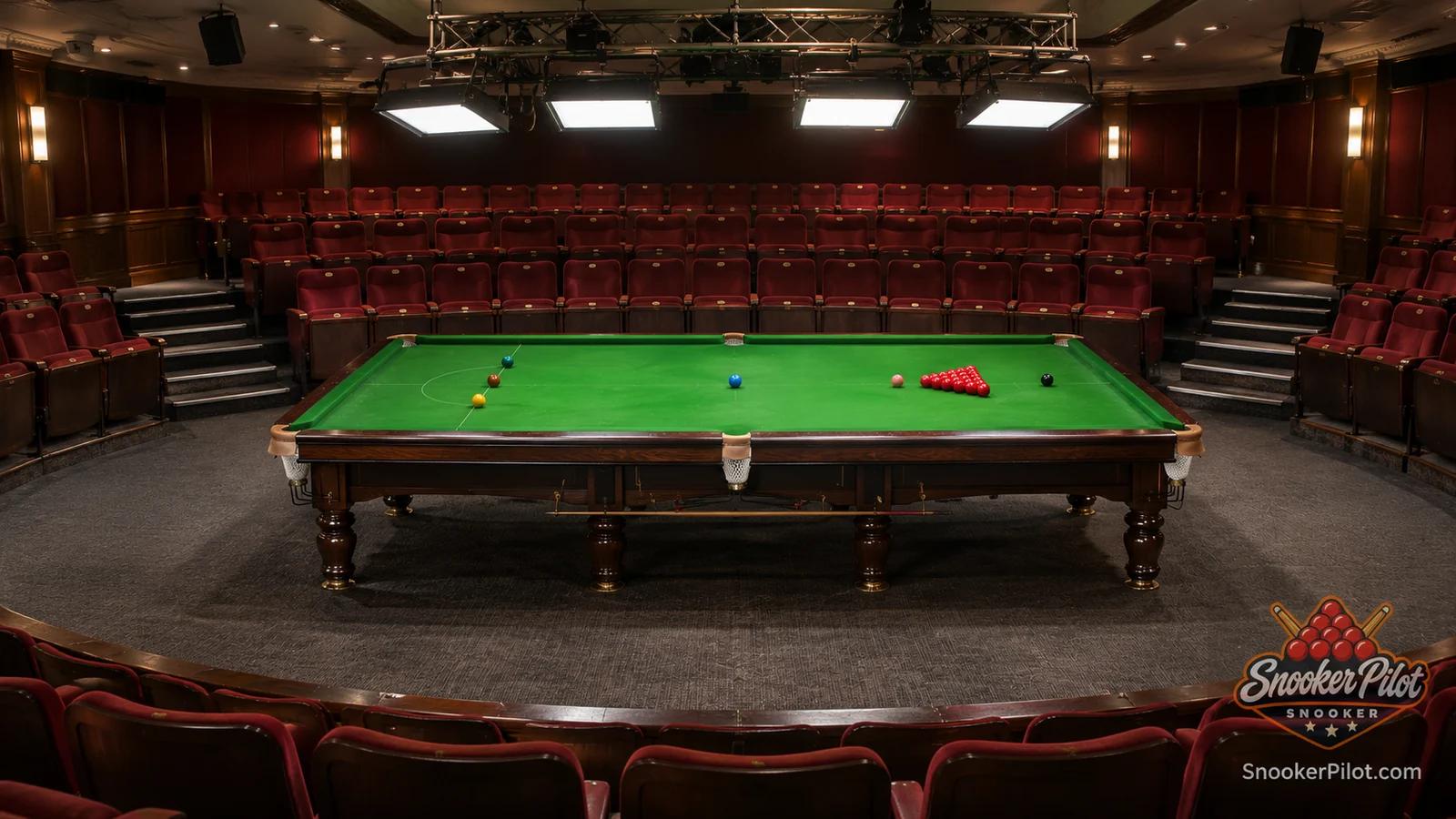
Read the Crucible format correctly, from best of 19 in the opening round to the best-of-35 final.
A guide to the World Championship, UK Championship and Masters, and the difference between a career achievement and a season.
Understand ranking prize money, the rolling two-year list, seeding cut-offs and the separate one-year race.