
Snooker Shoot Out Rules: The 10-Minute Frame and Shot Clock Explained
The Shoot Out changes timing, cushion requirements and foul procedure. Learn why its 15-second and 10-second clocks do not apply to ordinary snooker matches.
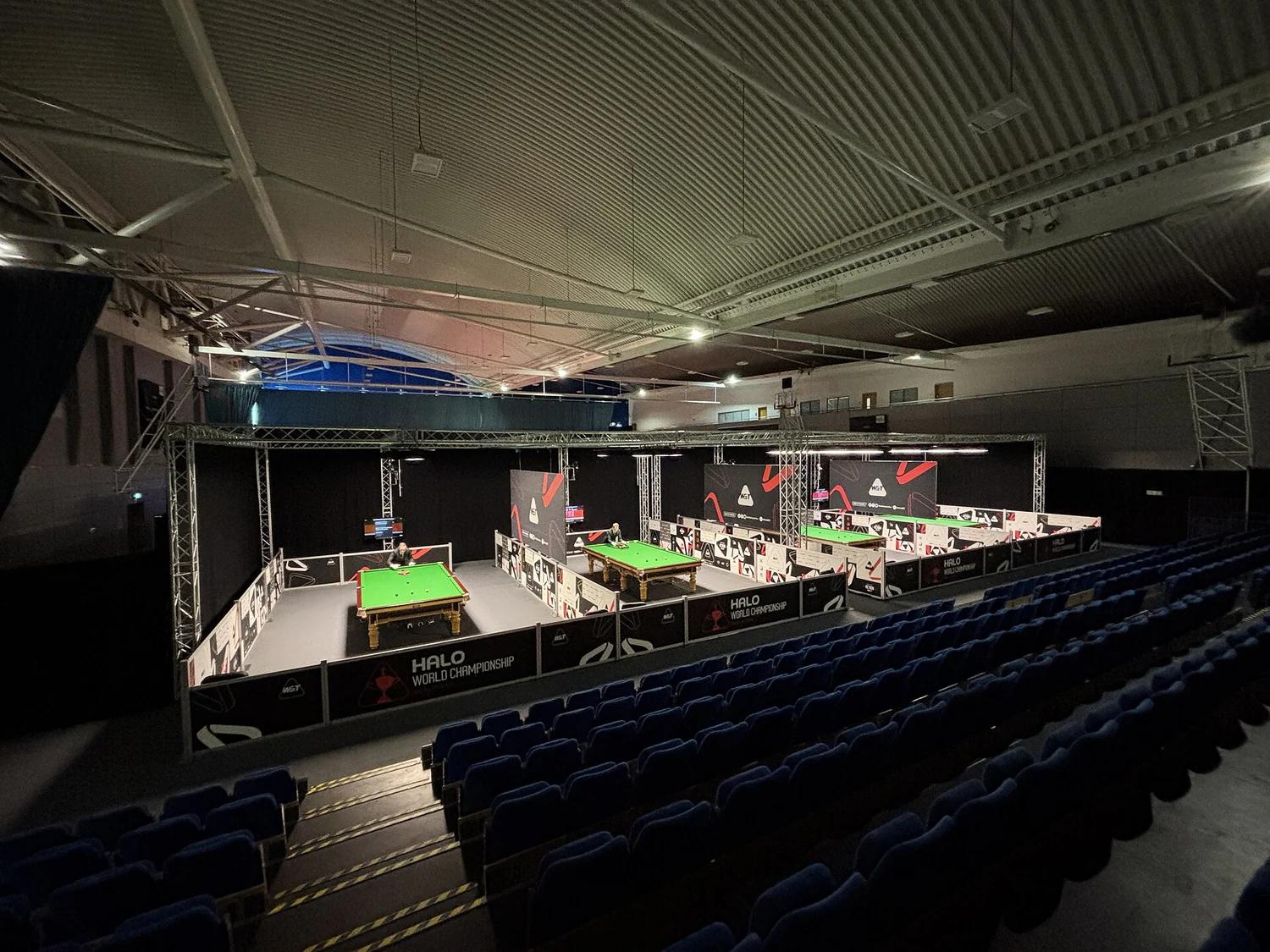
The Shoot Out uses one timed frame
A Shoot Out match is played over a single frame lasting no more than ten minutes under the published format. It may finish earlier under the relevant frame-ending rules. That is different from a normal best-of match, where the number of frames rather than a universal match timer determines the contest.
The event is a distinctive professional ranking tournament, not evidence that every ranking match uses a shot clock. When a broadcaster shows rapid play elsewhere, confirm the actual competition conditions before assuming the same rules apply.
The shot allowance changes halfway through
During the first five minutes, a stroke must begin within fifteen seconds. During the last five minutes, the allowance is ten seconds. The shot clock stops when the player strikes the white; a timing official and referee manage its start and any permitted pauses.
This is not simply fifteen seconds from the previous pot dropping. Balls must settle and spotting or an official decision may be relevant. Watching an on-screen graphic is useful, but the officials apply the event's timing procedure, including situations around a clock transition.
How Long Does a Snooker Match Last? Frames and Match Formats Explained
Other playing rules also change
The Shoot Out requires a ball to reach a cushion or be potted on each stroke, and fouls give the incoming player cue ball in hand under the special conditions. Its treatment of fouls and misses is not the ordinary replacement procedure. The complete competition rules should be read as a set.
A tied finish uses a blue-ball shoot-out rather than the usual re-spotted-black ending. Do not combine the timer from this format with whichever singles rules you remember and call the result official. A club's informal timed challenge needs its own clear description.
Try timed practice without mislabelling the format
For a training exercise, start with an easy layout and a comfortable time allowance. Keep normal cue control and safe movement around the table. The objective can be committing to a sensible choice sooner, not rushing equipment placement or attempting a risky shot just to beat a buzzer.
If organizing an actual Shoot Out-style event, arrange a clear timekeeper, visible clocks, written foul procedure and tie rules. Distinguish the match clock from the per-shot clock. Check the current official rules when scheduling, since event conditions and branding can change.
At your club with SnookerPilot
SnookerPilot can organize regular club games and show their scores and elapsed game time on paired devices. An elapsed timer is not an official Shoot Out shot clock. Use the appropriate separate timing officials and equipment for that event, with scoring records and special conditions clearly identified.
Compare the packages