
Snooker Cloth Nap: Why the Same Shot Plays Differently in Reverse
Understand the direction of napped cloth, separate it from table slope and test pace sensibly before blaming your cue action or changing maintenance routines.
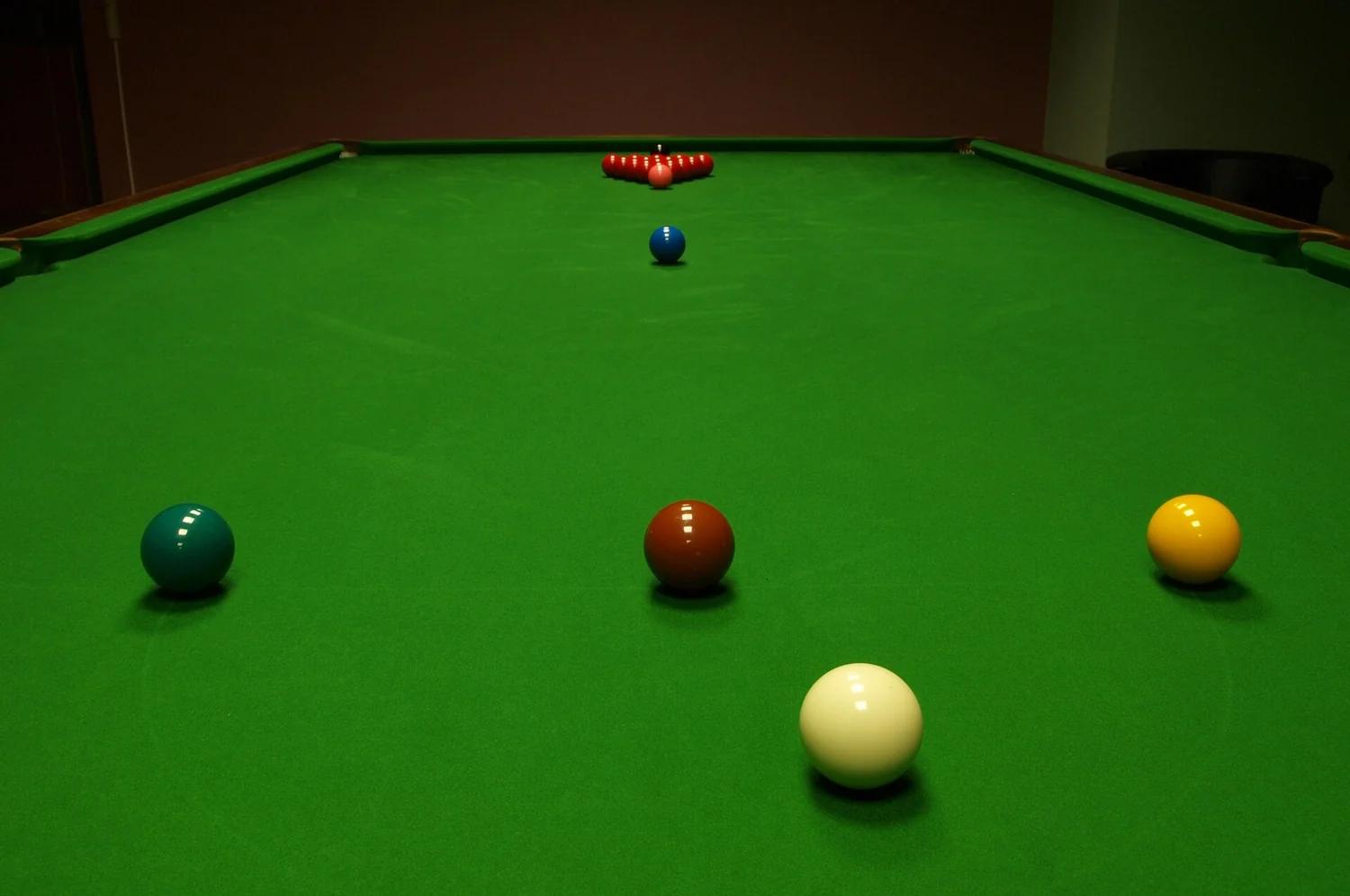
What does nap mean on a snooker cloth?
Nap describes the directional lie of fibres on an appropriate cloth. Where a snooker table uses napped cloth, the rulebook describes its smooth grain as running from the baulk end towards the top cushion. That orientation gives the two directions different characteristics.
Do not assume every green playing surface is the same fabric. Cloth construction, wear, installation and care all matter. A specification for one table is not permission to brush, iron or treat another cloth identically without checking the manufacturer's instructions.
Why can reverse-direction shots behave differently?
Rolling resistance and the behaviour of a slow ball can differ with direction on napped cloth. The effect can be especially noticeable near the end of a gentle shot. Pace, side spin, cushion response and ball condition add further variables, so nap is not a complete explanation for every missed pot.
A consistent sideways roll may also deserve a leveling or condition check. Avoid declaring the table tilted from one slow shot or claiming that nap always bends the ball in the same direction under every circumstance.
How to Clean and Brush a Snooker Table Without Damaging the Cloth
Run a simple pace comparison
With permission, choose two comparable unobstructed routes along the table in opposite directions. Use centre contact and moderate speed, and repeat several times. Compare travel distance and consistency rather than relying on one attempt. Keep the starting layout recorded in notes instead of marking the cloth.
Then test a few gentle positional shots on the playing table before a match. You are calibrating that session's response, not discovering a permanent correction to every future stroke. Cleanliness, conditions and maintenance can change what you observe next week.
Care for the cloth according to its actual specification
Use suitable clean equipment and the brushing direction recommended for the installed cloth. Avoid aggressive circular scrubbing, household cleaning chemicals or experimenting with water on a stain. Ask club staff to address spills promptly using the proper procedure.
Ironing is a specialist maintenance operation, not a universal beginner task; inappropriate heat or technique can damage the surface. Record recurring speed complaints, visible wear and service dates so an installer can investigate a pattern. Repeatedly changing the table setup to compensate for one player's result makes diagnosis harder.
At your club with SnookerPilot
SnookerPilot can help you compare regular game activity and results by table while the TV keeps the current score visible. Maintain a separate cloth-service log alongside those records. Use repeated observations to discuss maintenance with staff rather than interpreting a single low-scoring frame as proof of a table fault.
Compare the packages