
How to Use a Snooker Rest, Spider and Swan Neck
Choose the right mechanical support, set it down without disturbing balls and build a repeatable rest action before a long reach costs you a frame.
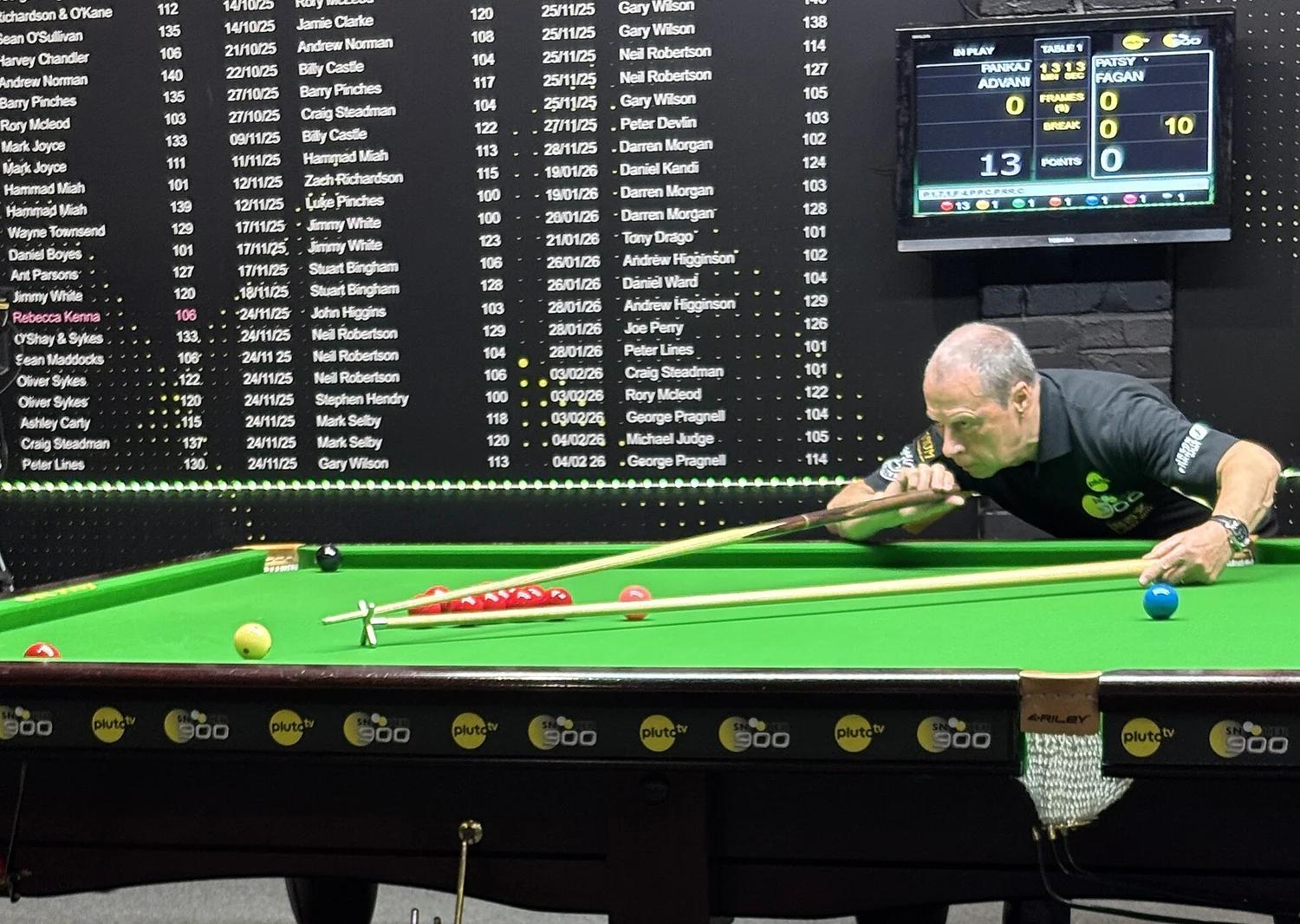
Choose support for the clearance you actually need
The ordinary cross rest supports a cue when your normal bridge cannot comfortably reach. A spider provides extra height over obstructing balls, while a swan neck offers another way to reach over and beyond a group. Head designs vary, so inspect the equipment supplied by your club.
Choose the lowest stable support that gives the required clearance. More height is not automatically better: raising the cue changes the delivery and can make a simple shot harder. An extension may solve reach without requiring a higher rest head.
Place the rest before settling into the shot
Check the route for the rest head, its handle and your cue. Lower the support carefully onto clear cloth, then guide the cue into the selected groove. Do not drag equipment through balls or balance it on an unstable position. Under standard rules, equipment can still cause a foul by touching a ball.
Stand where you can see the shot comfortably and control both pieces of equipment. Secure the rest, then organize your cueing hand. If the setup feels stretched or unstable, reset rather than trying to rescue it during the final movement.
Snooker Stance, Grip and Bridge: How to Build a Consistent Setup
A short, controlled action is enough
Players often grip harder and accelerate abruptly when using the rest. Begin with a simple centre-ball pot at moderate distance. Keep the head still, make a few small preparation movements and deliver smoothly along the chosen line. A complicated spin shot is a poor first test of unfamiliar support.
After striking, allow the balls to travel before lifting equipment away. Watch the cue tip and the trailing rest head during removal. A legal pot can be spoiled by disturbing a different ball immediately afterwards.
Practise the shot before you need it in a match
Set up an easy red and play five ordinary rest shots, then five with slightly more reach. Track clean contacts, pots and the white’s finishing zone separately. Practise placing and removing the equipment as part of each attempt, not just the delivery.
Only then introduce a spider or a gentle positional requirement. A qualified coach can help adapt the setup to your reach and stance. In competition, ask for the appropriate equipment early; rushing to fetch a rest after repeatedly overreaching is rarely a good preparation routine.
At your club with SnookerPilot
SnookerPilot can keep regular practice frames and club results visible on the paired TV while the tablet manages the table. Record rest-drill attempts separately from completed games. Player history helps you review match outcomes, but the app does not measure rest stability or diagnose cue technique automatically.
Compare the packages