
Straight Snooker Cue Action: How to Stop Steering the Final Stroke
Separate aiming from delivery, build a repeatable preparation routine and use simple observations to find late grip changes instead of rebuilding everything at once.
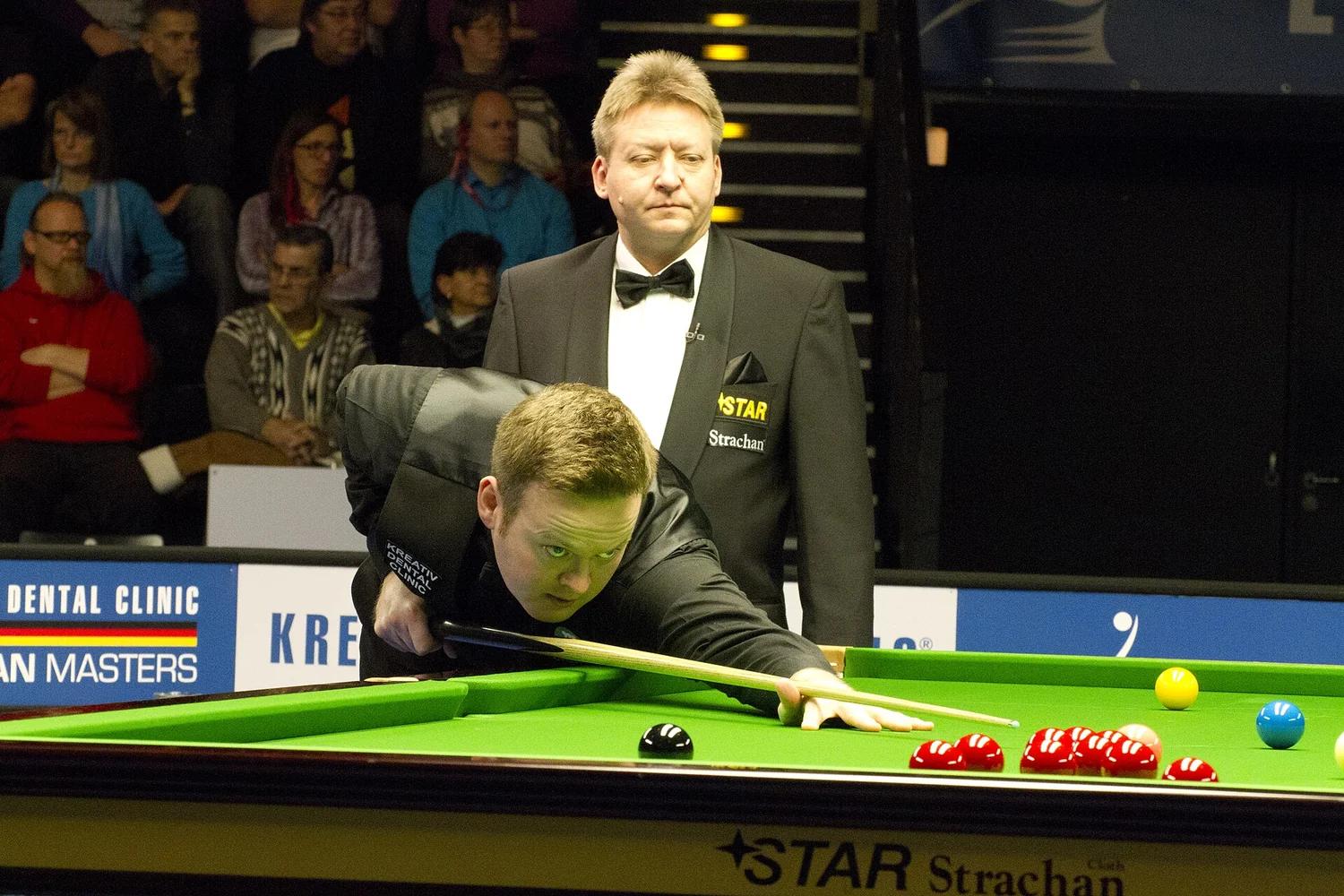
Aiming and delivering are separate tasks
You can select a sensible potting line and still miss because the cue leaves that line during delivery. Equally, a straight delivery cannot rescue the wrong aim. Diagnose these questions separately rather than treating every missed red as evidence that your whole stance is broken.
Choose a short, comfortable straight pot and use centre-ball contact. Remove side spin and demanding positional targets from the first test. A simple setup makes it easier to see whether the final movement differs from the preparation.
Build the routine before policing body angles
Stand behind the intended line, choose the shot, settle into a comfortable stance and establish a stable bridge. Use a few smooth preparation movements, then make a deliberate final delivery. If the setup feels wrong, stand up and restart instead of correcting the line while striking.
Players have different builds and usable positions. Copying one professional's exact elbow height or chin contact is not a universal solution. The useful test is whether your arrangement permits a clear view and a repeatable cue path without strain.
Snooker Stance, Grip and Bridge: How to Build a Consistent Setup
Watch for late changes in the hand
A sudden squeeze, wrist turn or attempt to guide the ball into the pocket can alter the final stroke. Notice whether your grip changes between the preparation and the strike. Keep the intention simple: deliver along the chosen line, then observe the outcome.
A side or rear video, taken safely from outside the playing area, can reveal patterns. Obtain consent if others are visible and do not put a phone or support on the cloth. Compare a few attempts rather than drawing a conclusion from one camera angle.
Use a small test and change one thing
Play ten attempts from the same uncomplicated position. Note misses to each side, potting success and whether the white finishes near the intended line. Change one variable, such as reducing grip tension, and repeat another short set. Do not also move your feet, bridge and head at the same time.
Persistent patterns are a reason to ask a qualified coach for an assessment. A useful lesson should identify an observable issue and a manageable exercise. Avoid promises that one forced pose or one special cue will permanently eliminate every delivery error.
At your club with SnookerPilot
SnookerPilot keeps regular frames, player results and table scoreboards organized while you work on your game. Use those records for match progress and keep cue-action observations separately. SnookerPilot is club scoring software, not a camera-based swing analyzer or a replacement for individualized coaching.
Compare the packages