
What Is a Century Break in Snooker? Scoring and a Realistic Practice Path
A century means at least 100 points in one visit, not a frame score of 100. Understand the arithmetic and build useful practice goals without chasing a number too early.
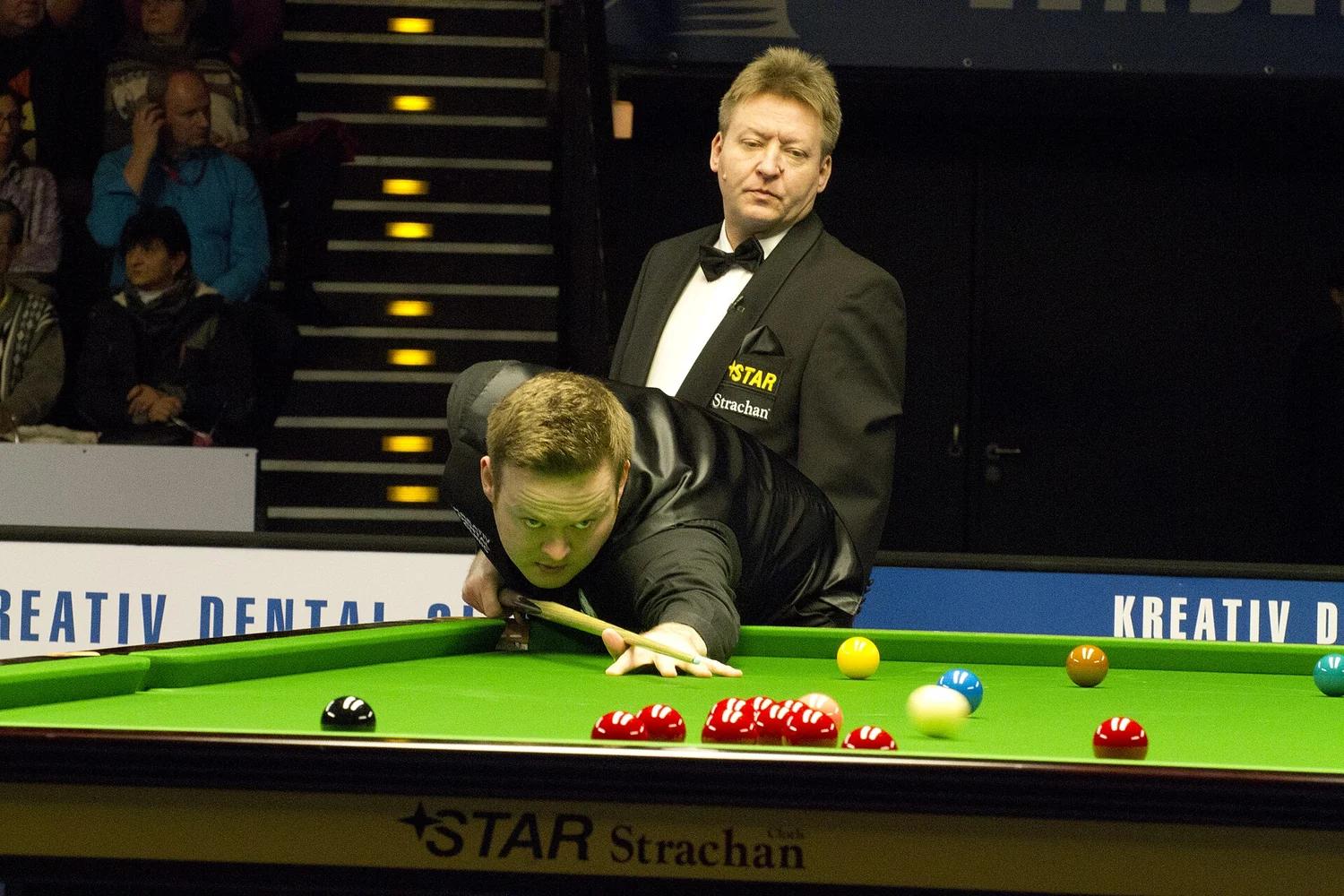
A century belongs to one uninterrupted visit
A century break is 100 or more points scored in one visit through legal scoring strokes. Opponent foul points are not added to that break. Two separate 50 breaks in the same frame produce an impressive total, but they do not combine into one century.
The distinction matters when recording achievements. A player can pass 100 on the scoreboard through several visits and penalties while never making a century. Likewise, the player making a century does not need to clear every ball left on the table.
You do not need fifteen reds to make 100
Thirteen reds followed by thirteen blacks already total 104, even before the final colour clearance. Another example starts with only ten reds remaining: ten reds and ten blacks give 80, then the final six colours add 27, producing a 107 clearance. The starting position is important to that second calculation.
Not every collection of reds and colours can still reach a century. Count the available scoring potential, but avoid choosing a risky black solely because it keeps a theoretical number alive when an easier colour would preserve the visit.
Build the skills before the headline total
Use small positional targets: three controlled red-colour pairs, a reliable route from a colour back to the reds, or a clean colour clearance. Record whether the white arrives in the intended zone, not only whether the ball drops. A missed position often ends a visit one or two shots later.
Progress from open layouts to more demanding clusters only as the easier work becomes repeatable. An assisted practice clearance, a reset after a miss and a competitive century are different achievements. Label them honestly so your training record remains useful.
Track the process that sustains the break
After a visit, note how it ended: missed pot, lost angle, blocked colour, overhit position or an ambitious recovery shot. Work on the most frequent cause before adding another full-table routine. One practical target is improving the number of usable next shots created in a short set.
Avoid promising yourself a century by a particular date. Table conditions, experience and practice quality all matter. A qualified coach can help choose a realistic progression. Enjoy a first 20, 30 or 50 as evidence of development rather than treating every sub-century visit as failure.
At your club with SnookerPilot
SnookerPilot can keep regular game scores and player results clear on the club’s TV and tablet. Record the actual break correctly and keep training resets identified separately. Reliable histories make improvement easier to discuss, without turning multiple visits or opponent penalties into an invented century.
Compare the packages