
Ghost-Ball Aiming in Snooker: A Beginner's Practice Method
The ghost ball is an imaginary cue-ball position, not a ball you hit. Use it to understand contact points, build a repeatable aiming routine and recognise where a simple geometric picture stops being enough.
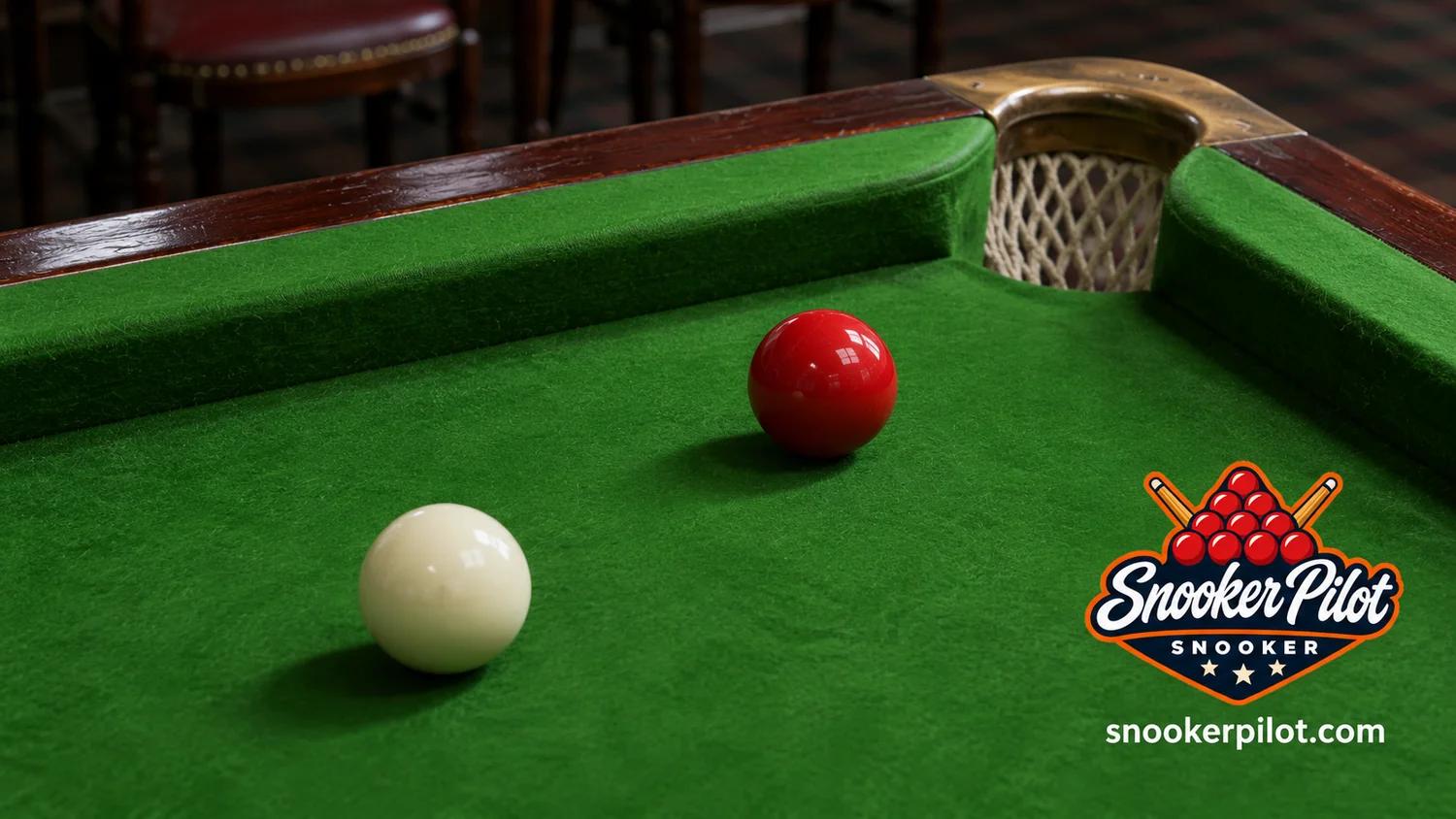
Picture where the white must arrive
Choose a straightforward red to a corner pocket. Imagine a line through the pocket opening and the red's centre. Behind the red on that line, picture a second ball the same size, just touching it. The centre of that imaginary ball is where the cue ball would arrive for an ideal collision. This helps distinguish the contact point on the red from the direction of the cue ball's centre; aiming those two things identically is a common beginner mistake.
Start with a forgiving practice position
Place a red close enough to the pocket to see the line clearly and the white at a modest angle. Use a comfortable bridge, centre-ball contact and a smooth medium-soft stroke. Before getting down, choose the imaginary position while standing behind the shot. Then commit to the line instead of steering sideways during delivery. Repeat ten attempts from a similar layout, recording pots and a simple description of misses rather than constantly changing angle, speed and distance together.
Use feedback rather than forcing the picture
Consistent misses on one side suggest checking alignment, sighting and delivery with a qualified coach. They do not prove that you need a different imaginary ball size. Real shots involve cushion geometry, pocket acceptance, spin, speed and contact effects that a simplified collision picture cannot fully predict. Add difficulty gradually: first a slightly thinner cut, then more distance. Keep the speed similar so you can tell whether the change comes from the angle or a different stroke.
Keep training aids out of match play
A ghost-ball concept is a mental reference, not permission to place an extra ball or mark the cloth as an aiming guide during a match. Follow the official equipment and conduct rules. Even in private practice, do not draw on club cloth or leave chalk marks without permission. If a coach demonstrates the collision with spare balls, remove them before the actual attempt. The goal is an independent pre-shot decision that still works when the demonstration aid is gone.
At your club with SnookerPilot
Use SnookerPilot for scored club play after the aiming session, while keeping the drill tally in a notebook. Compare how comfortably you select routine pots over several sessions rather than judging progress from one lucky shot. SnookerPilot's visible match score gives that practice a practical setting without claiming to measure your aiming mechanics.
Compare the packages