
Snooker Doubles and Bank Shots: How to Practise Cushion Pots
A double sends the object ball off a cushion into a pocket. Learn a controlled practice approach, why the mirror-angle idea is only a starting reference and when a spectacular-looking bank is a poor match choice.
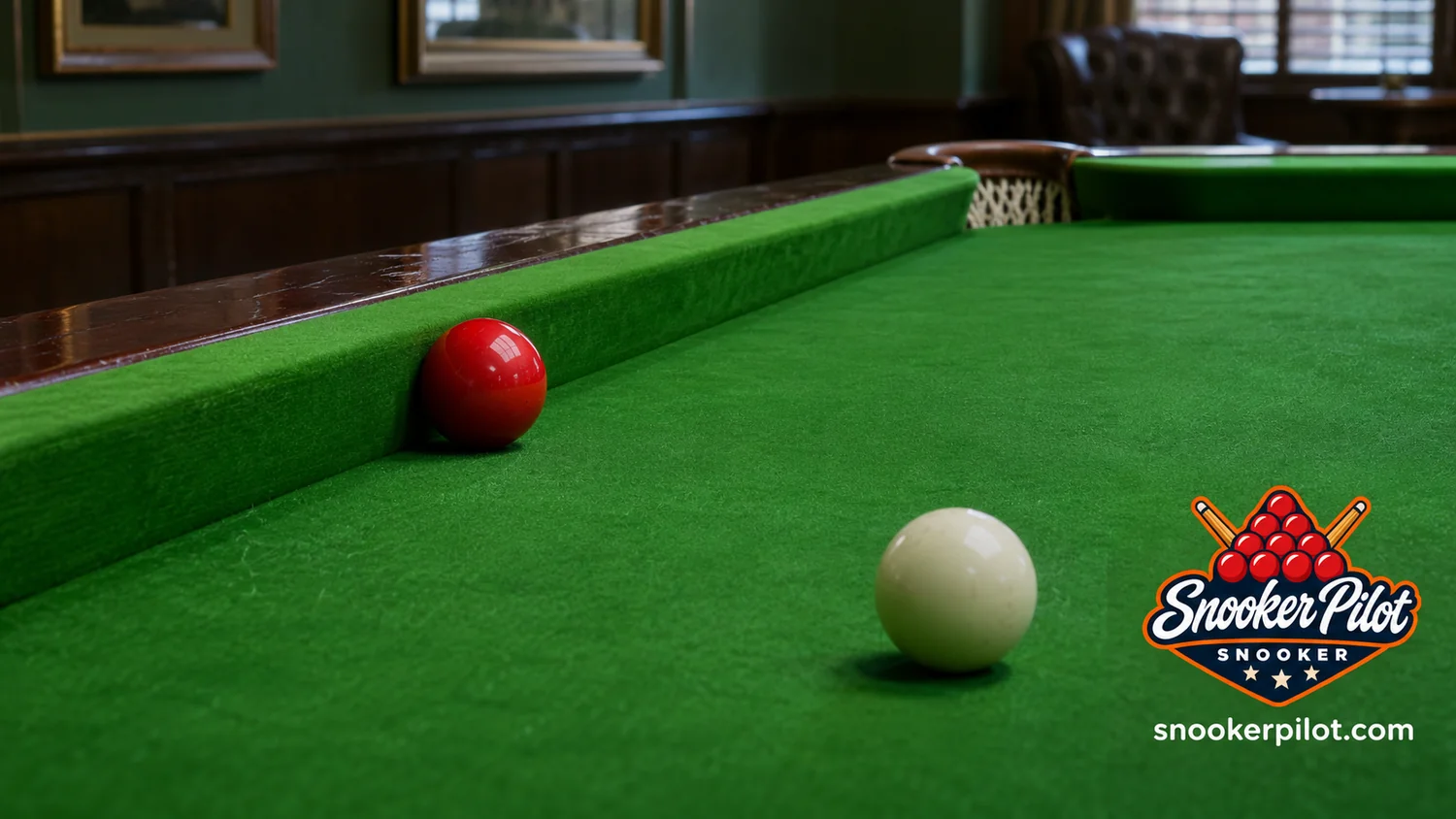
Distinguish the object-ball route from an escape
In a double, the object ball rebounds from a cushion before reaching the intended pocket. This differs from sending the white off a cushion to contact a ball. Make the distinction before choosing a line: the contact on the object ball must create its required first path, while the white needs a safe destination afterwards. Standard snooker does not require calling a pocket, but legal first contact and the ball on still matter. A banked pot does not excuse an earlier foul.
Begin with a short, simple bank
Choose one red near a side cushion with a clear route to a pocket after the rebound. Keep the white comfortably accessible and the angle modest. Use a consistent medium-soft speed and avoid adding sidespin while learning the basic response. A reflected-pocket picture can suggest a first line, but a real cushion is not a perfect optical mirror. Cushion compression, ball spin, speed and table conditions can alter the outcome. Treat the first few attempts as information rather than evidence that one angle formula must always work.
Change one variable and keep notes
Repeat ten attempts from comparable positions without marking the cloth. Note whether the red arrives short or long of the pocket and where the white finishes. Adjust the intended contact slightly, then repeat at the same pace. Once the route is understood, try a longer distance or a small speed change, not both together. If delivery varies widely, return to simpler straight pots or ask a coach to check the stroke. A difficult double is not a reliable way to hide inconsistent fundamentals.
Choose the shot for the whole position
In a match, compare the double with a straightforward safety and consider what you leave if the red stays up. A near pocket miss may present an easy chance to the opponent. The value of the pot, the score and the white's likely route all matter more than how impressive the shot looks. Avoid practising at high speed near occupied tables or using equipment that risks damage. Build confidence on a known route first, then use the option selectively rather than treating every cushion ball as an automatic attack.
At your club with SnookerPilot
Use SnookerPilot for a short club frame after practising doubles, and review whether the shot choice made sense at the displayed score. Keep your ten-attempt drill record in a notebook. The app gives practice a match context while leaving aiming, risk assessment and rule decisions with the players at the table.
Compare the packages