
Snooker Coaching Lessons: How to Choose a Coach and Prepare
Good coaching starts with a suitable teacher and a clear question. Find qualified options, compare lesson arrangements and prepare a first session that produces a practical training plan rather than an unrealistic promise of instant centuries.
Use qualifications as a starting check
The WPBSA Coach Finder and its explanation of coaching levels are useful official resources. Confirm the current qualification and whether the coach works with your age, ability and goals. A strong playing record alone does not explain how someone teaches. Ask about experience with beginners, advanced players or relevant adaptations, rather than choosing purely from a famous name. Directory inclusion does not mean that every listed coach has identical availability or pricing. Check arrangements directly through the published professional contact channel before making a booking.
Compare the actual lesson arrangement
Ask for duration, location, total price and whether table time is included. Confirm cancellation terms, equipment availability, language and whether video feedback is offered with consent. An online review session and an in-person technical lesson are different services, so compare like with like. For junior lessons, clarify safeguarding procedures, parental involvement and appropriate supervision. For accessibility needs, check the venue and lesson setup beforehand. Do not pay for a large package solely because it promises a guaranteed break level; improvement depends on practice, suitability and many individual factors.
Bring a useful account of your game
Tell the coach how often you play, what you normally struggle with and what you want from the session. A short list such as inconsistent straight pots, uncomfortable grip or weak cue-ball distance control is more actionable than simply asking to become better. If you have recent video, ask whether the coach wants it before sending personal footage. Warm up lightly and bring your normal cue if you own one. Be ready to explain a missed shot without diagnosing its cause as certain; observation may reveal something different.
Leave with one repeatable next step
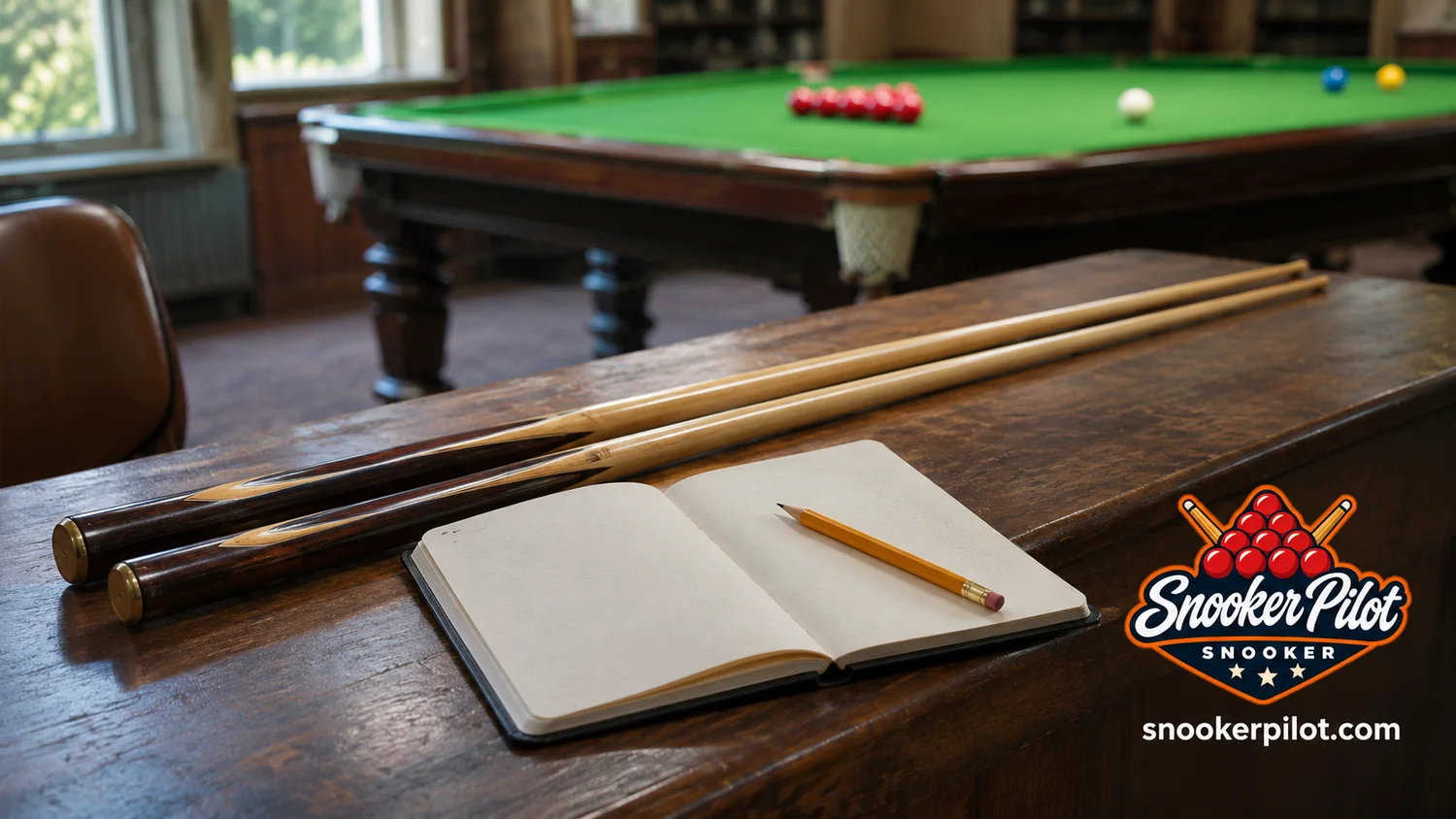
At the end, ask which change to prioritise, how to practise it and what evidence to bring next time. A clear small task is easier to evaluate than ten simultaneous technical instructions. Write the agreed setup, repetitions and a realistic review date in a notebook. Judge early value by understanding and consistency, not only the highest break immediately afterwards. If a suggestion causes pain or feels unsuitable, discuss it rather than forcing it. Coaching should create a workable process that fits the player and can be tested over subsequent sessions.
At your club with SnookerPilot
After a lesson, use normal club frames with SnookerPilot to practise decisions under a visible score. Keep the coach's technical notes and drill records separately, then review whether the agreed routine carries into play. SnookerPilot supports the club session; it does not assess qualifications or guarantee the results of any independent coach.
Compare the packages