
Six-Red Snooker Rules: Setup, Maximum Break and Key Differences
Six-red snooker is more than removing nine reds. Understand the 75-point clearance, the special miss procedure and why event conditions still matter.
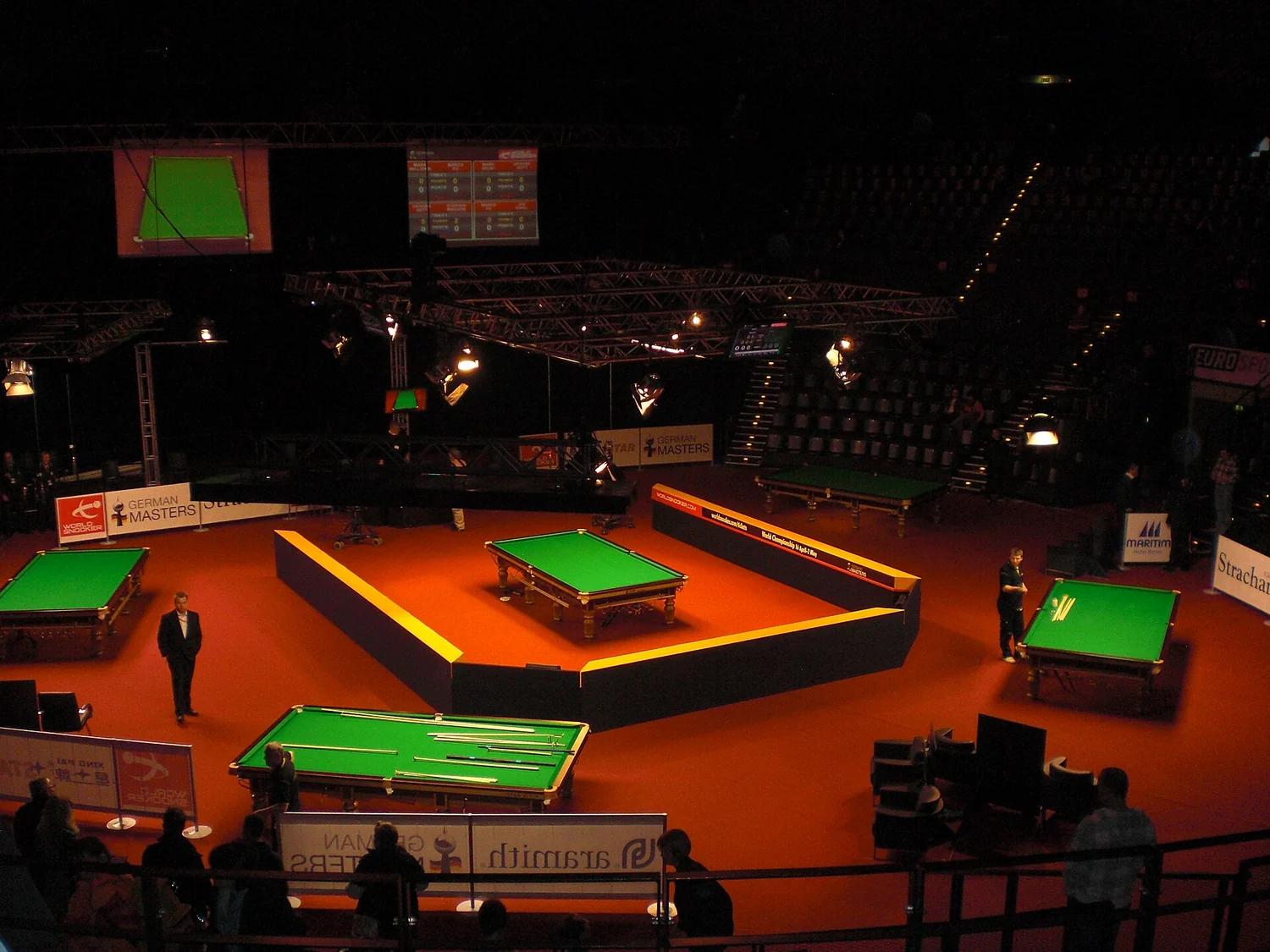
How is six-red snooker set up?
Six-red snooker starts with six reds, the six normal colours and the white. Reds and colours retain their usual values. During scoring, red and colour alternate, followed by the final colours in order once the reds are gone. Fewer reds reduce the available scoring opportunities; they do not turn colours into different-value balls.
For a practice session, agree whether you are simply shortening a familiar exercise or playing the published Six Reds format. An informal six-red rack is not automatically the same as every televised or local six-red competition.
Why is the usual maximum break 75?
Six reds with six blacks score 6 × 8 = 48. Adding the final colours gives 48 + 27 = 75. This is the conventional maximum without a special free-ball situation, not a guarantee that every completed frame will reach that score.
A player may clear with blues or pinks instead, and points can be shared across visits. Foul penalties also affect the frame score. As in fifteen-red snooker, distinguish an uninterrupted break, the player's running total and the balls still available before deciding how far behind someone is.
The miss procedure is a genuine rules difference
The published WPBSA Six Reds variation limits a sequence of consecutive foul-and-miss calls when the offender is required to replay from the original position. A warning comes after the fourth, with additional options after a fifth, subject to the conditions about needing penalty points. It is not simply a game with no miss rule.
The format also restricts leaving an opponent snookered behind the nominated colour after a red or red-equivalent free ball. Use the linked official wording when refereeing these situations rather than importing a local shortcut.
Agree the complete event conditions beforehand
Confirm the number of frames, miss procedure, any shot clock, tie resolution and the referee's role before starting. A six-red event may publish conditions beyond the basic playing variation. A shorter rack alone does not imply that normal Shoot Out timing or ball-in-hand rules apply.
For coaching, track decision quality as well as the smaller break totals. With fewer reds, an early safety error can matter quickly. Restarting the same six-red layout is useful practice, but it should not be recorded as a completed regulation fifteen-red frame.
At your club with SnookerPilot
SnookerPilot supports the club’s regular scoring, player records and paired TV workflow. Keep a six-red coaching exercise identified separately and check format support before relying on any scorer to enforce its special rules. The app is not a substitute for the published Six Reds conditions or a referee.
Compare the packages