
What Is a Free Ball in Snooker? Rules Explained With Examples
Learn when a free ball can be awarded, how nomination and scoring work, and why a free ball is different from a free shot.
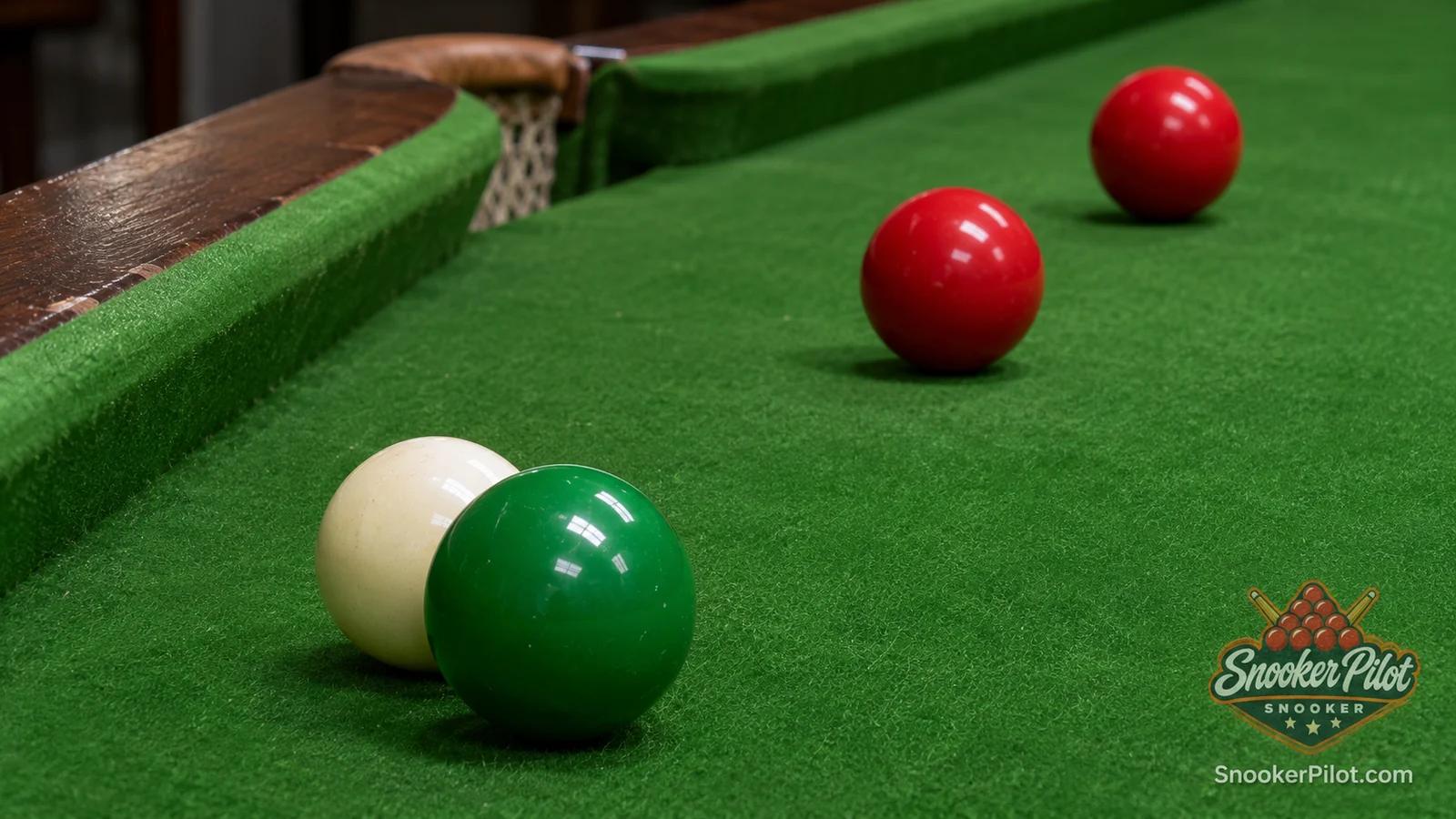
Check what happened after the foul
A free ball can arise when a foul leaves the incoming player snookered on the ball on. It is not awarded simply because a shot is difficult, nor because a player has snookered themselves legally. The referee must assess the position under the official definition of a snooker, including the relevant obstructing balls and whether the required contact is available. First establish that a foul occurred, then identify the ball on, then consider the resulting position. The order of those checks matters.
Nominate a substitute for the ball on
The player entitled to the free ball may nominate another object ball to act as the ball on for that stroke. Its scoring value becomes that of the ball on, not its normal colour value. With red on, a nominated black potted legally as the free ball scores one point. Announce the nomination clearly before playing. A free ball does not mean you may ignore first contact, play any sequence you like or take an extra turn after an unsuccessful stroke.
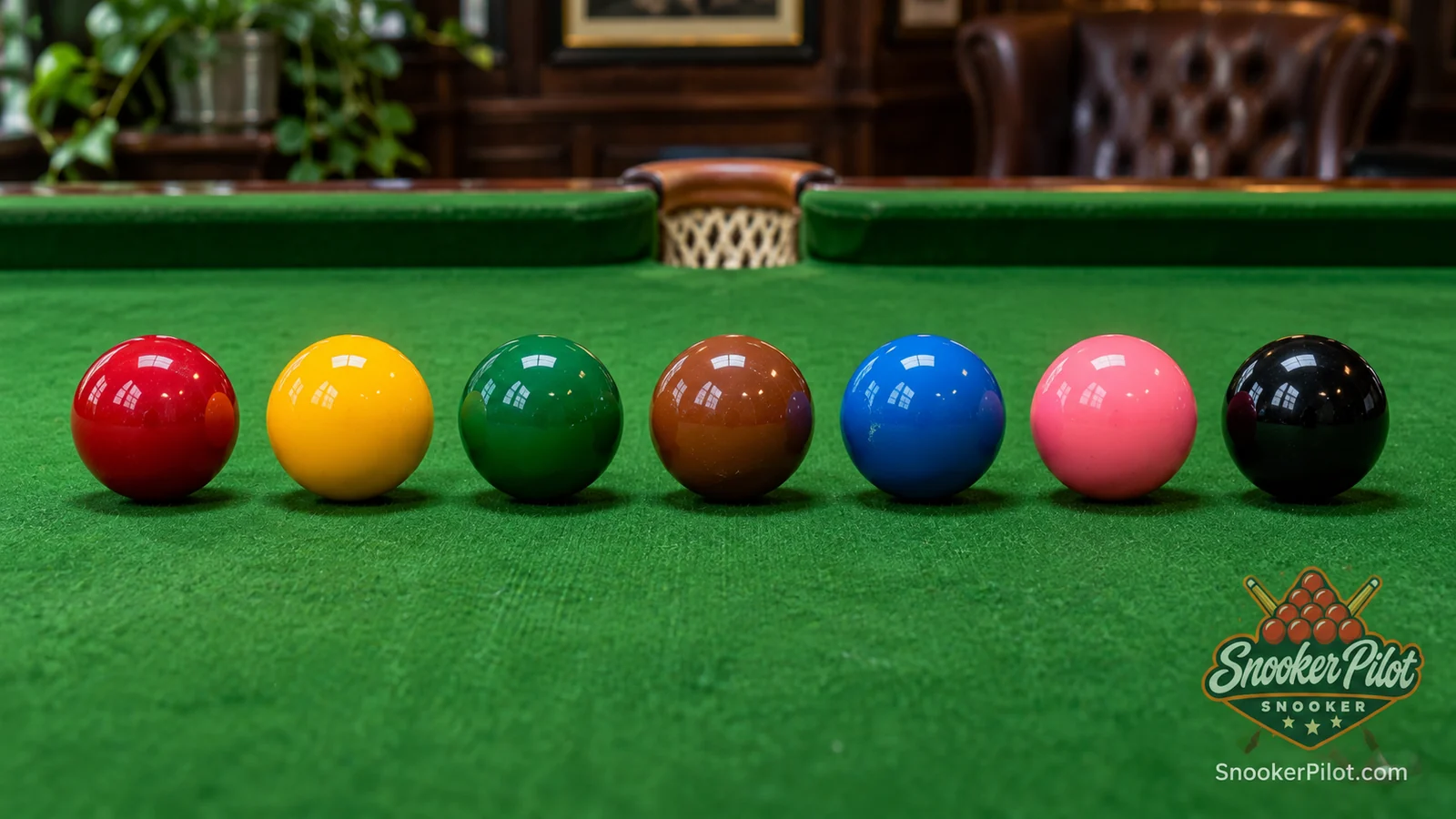
Follow the result through a simple example
Suppose all fifteen reds remain and your opponent fouls, leaving you snookered on the reds. You receive a free ball, nominate green and pot it legally. Green scores one and is re-spotted. You can then choose a colour, such as black for seven, before returning to the reds. That opening sequence can create an additional red-colour opportunity. This explains how a break can exceed the familiar 147 under standard rules. More complicated cases, including potting the nominated ball and a ball on together, require the specific rulebook wording.
Keep the decision and the score separate
Before the next shot, agree the foul penalty, whether a free ball has been awarded and which ball has been nominated. If you ask the offender to play again, the free-ball option does not simply remain available for a later turn. There are also restrictions on using a nominated free ball to leave a snooker, with specific exceptions. Friendly players should consult the linked rules instead of reducing the rule to “pot any colour for free”. A consistent decision process prevents scoring errors from becoming arguments.
At your club with SnookerPilot
SnookerPilot includes a free-ball control on the TV scoreboard, alongside ordinary ball values and foul actions. Use it after the players or referee establish the correct ruling. Keep the nominated ball’s effective value clear when checking the score and ball history. The software supports recording play; it does not inspect the physical table to decide whether a free ball should be awarded.
Compare the packages