
Are Jump Shots Allowed in Snooker? Rules and Legal Escapes
A pool-style jump over an obstructing ball is a foul in snooker. Understand the distinction between a prohibited jump and a cue ball that briefly leaves the cloth.
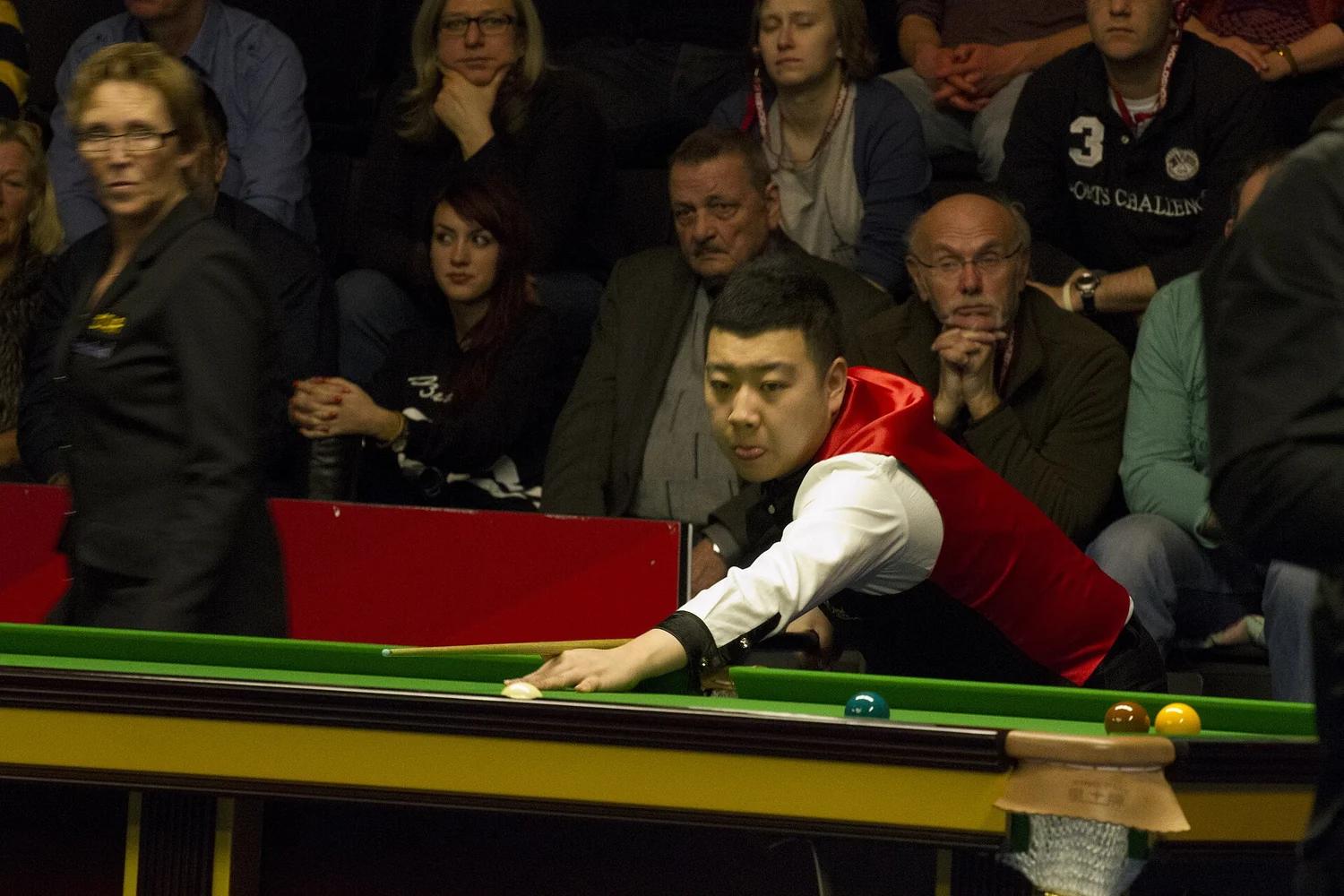
You cannot jump over a blocker to escape a snooker
Deliberately jumping the white over an intervening ball is not a legal snooker escape. It remains a problem even if you then strike the correct red. A technique permitted in another cue sport does not transfer automatically to snooker, and scooping underneath the white is not a workaround.
The official definition concerns the white passing over an object ball and contains specific exceptions. For an ordinary club decision, start with the clear case: jumping a blocking colour to reach a red is not an allowed substitute for a cushion escape.
Does every airborne cue ball count as a jump foul?
No. A slight bounce does not by itself establish that the white passed over an object ball in the prohibited way. The rules distinguish certain sequences after a legal object-ball contact, and the exact path matters. Do not use the phrase it left the cloth as the entire explanation of a decision.
For example, a powerful shot can make the white hop without crossing a blocker. That observation alone is different from launching it over the blue before contacting a red. Other infringements may still apply, so let the referee assess the whole stroke.
Foul and a Miss in Snooker: When It Applies and What Happens Next
Choose a cushion route before an exotic solution
When you are snookered, identify the legal first-contact ball and look for a one-cushion route. Estimate the cushion contact, then adjust for pace and any side you deliberately apply. Practise the route without an obstacle first, adding the blocker only after you understand the white's path.
A curved shot around a ball is not the same as a jump over it, but cue elevation and strong spin are advanced skills. Ask a coach and the club before attempting techniques that could tear or mark the cloth.
Keep the rule and the practice target separate
A legal contact can still leave an easy pot. Your first training target is reaching a ball on without a foul; your second is controlling the distance and safety left afterwards. Record those outcomes separately across ten attempts rather than treating every hit as an equally good escape.
If a foul occurs in a match, the applicable penalty depends on the rules and ball values. A miss call is a separate decision, not an automatic consequence of every failed escape. Discuss the shot before resetting any balls.
At your club with SnookerPilot
SnookerPilot can display and record the scores of your regular club frames, including referee-awarded penalties. Keep escape-drill notes separately, and use the official rules for decisions: the app does not judge airborne-ball paths or provide an automatic foul-and-a-miss ruling.
Compare the packages