
Do Flukes Count in Snooker? Calling Pockets and Legal Pots
A ball can count even when it falls into an unexpected pocket. Learn the difference between a legal fluke and a foul, why snooker is not a call-pocket game and what colour nomination actually means.
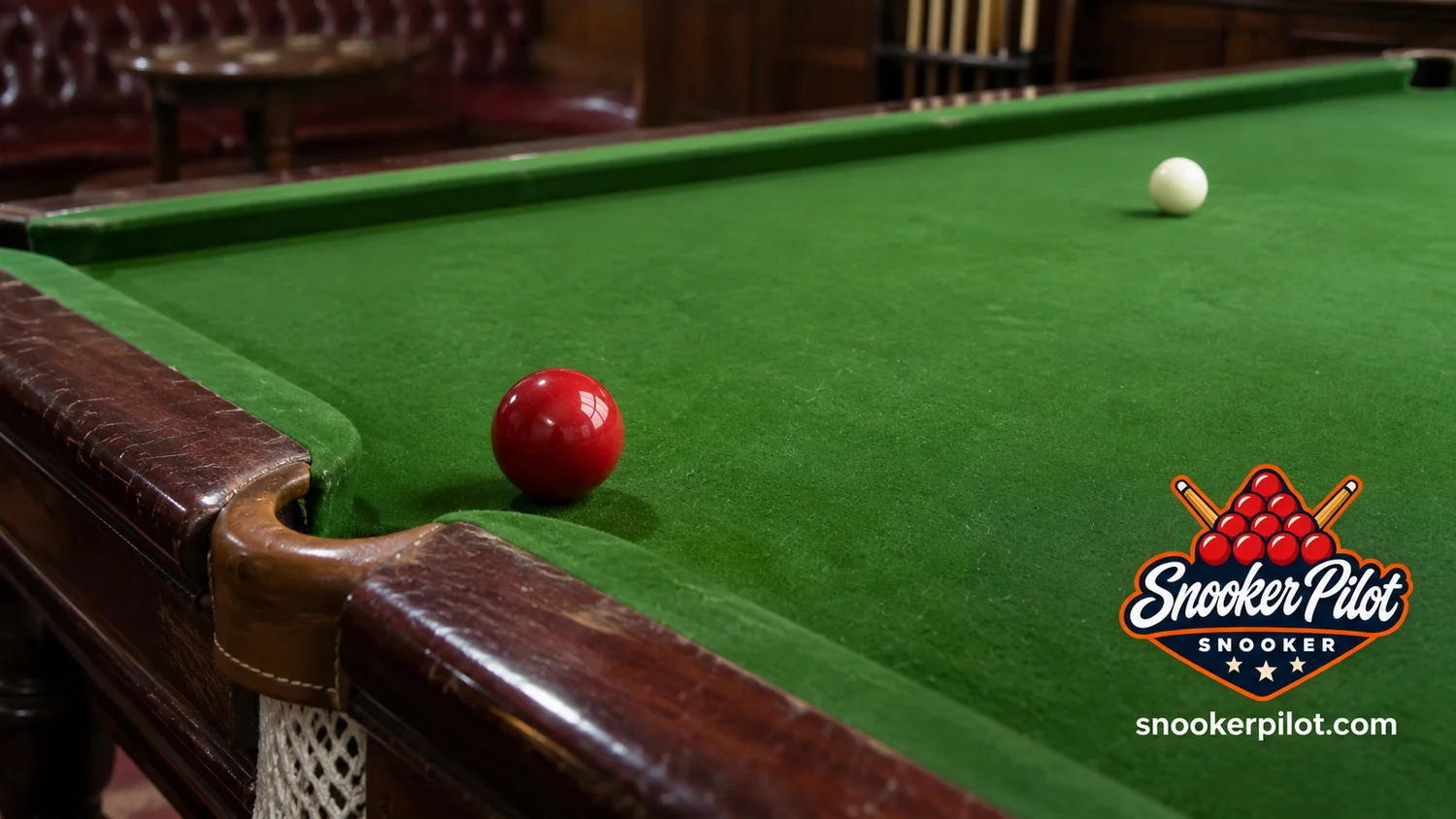
An unexpected pocket can still count
In standard snooker, the intended pocket does not normally determine whether a pot scores. If the correct ball is legally potted without another infringement, it counts even when it takes an unintended route or falls somewhere else. A red that rebounds from a cushion into another pocket can therefore be a legal point. The striker continues according to the normal sequence. Calling every surprising result a fluke describes the luck involved; it does not, by itself, change the legal outcome or cancel the score.
A fortunate finish does not erase a foul
Check the whole stroke, including first contact and everything else potted. If red is on and the white first hits blue, a red falling later does not make the stroke legal. If the white drops into a pocket after a correct pot, the stroke is still a foul. Likewise, potting red and a colour together is not an extra reward for a lucky collision. The striker receives no potting points from that foul stroke and the opponent receives the applicable penalty, rather than both players scoring the same incident.
How Are Snooker Colours Respotted When Their Spots Are Occupied?
Nominate the colour when necessary
Snooker requires clarity about the ball on, including colour nomination where the situation demands it. That is different from calling a pocket as in some pool formats. An obvious shot may not require a theatrical spoken announcement every time, but ambiguity should be resolved before the stroke, especially with several possible colours or a free ball. If the referee asks for clarification, provide it. In an unrefereed game, tell the opponent clearly which colour you mean rather than trying to reinterpret the choice after a surprising pot.
Handle the social side without inventing rules
A brief acknowledgement of good fortune is common courtesy, but etiquette does not require returning legally earned points or surrendering the table. Avoid celebrating in a way that distracts an opponent and do not argue that an unplanned pot deserves a replay. Friendly groups can agree different practice conditions in advance, but those should be identified as a modified exercise rather than standard snooker. For a disputed stroke, pause and consult the official rules before moving balls. Luck affects the story of the shot; legality determines the scoring.
At your club with SnookerPilot
With SnookerPilot, enter a legal unexpected pot in the same way as an intended one and keep the correct playing sequence. If a foul occurred, agree the ruling before recording the opponent's penalty. The club's visible scoreboard helps everyone follow the outcome without asking the app to judge intent or decide whether a shot was lucky.
Compare the packages